

Benefits of Solar Energy: Advantages, Disadvantages and Environmental Impact
Solar energy has become an increasingly important source of electricity for homeowners, businesses and communities. By converting sunlight into usable electricity, solar panels can help households reduce their dependence on traditional electricity providers, manage energy costs and support a transition toward renewable energy.
But the benefits of solar energy go beyond generating electricity. Solar power can contribute to lower greenhouse gas emissions, improved air quality, energy independence and economic development. At the same time, solar technology has limitations and environmental impacts that should not be overlooked.
Manufacturing solar panels requires raw materials and energy. Large solar farms can affect land and wildlife, while retired panels need appropriate reuse, recycling or disposal. Understanding both the advantages and disadvantages makes it easier to evaluate the overall value of solar energy.
In this guide, we explore ten important benefits of solar energy, examine its environmental advantages and challenges, and explain what homeowners should consider before investing in a solar installation.
What Is Solar Energy?
Solar energy is energy obtained from sunlight. Solar technologies capture sunlight and convert it into useful forms of energy, including electricity and heat.
One of the most widely used technologies is solar photovoltaic (PV). Solar photovoltaic panels contain cells that convert sunlight directly into electricity. Multiple panels can be connected to create a system capable of supplying electricity to a home, commercial building or utility-scale power plant.
Residential solar systems can supply electricity for lighting, appliances, heating and cooling equipment, and other household needs. Depending on the system configuration, excess electricity may be exported to the grid or stored in a compatible home battery.
Solar energy is renewable because sunlight is naturally replenished. However, the performance, financial value and environmental benefits of a solar installation depend on factors such as location, system design, electricity consumption, equipment and local electricity policies.
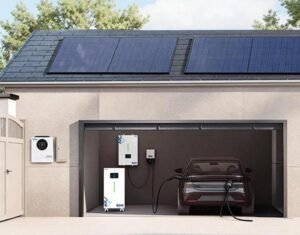
10 Key Benefits of Solar Energy
1. Solar Energy Can Reduce Electricity Bills
One of the biggest benefits of solar energy for homeowners is the potential to reduce monthly electricity bills.
Solar panels generate electricity during daylight hours. When a home uses this electricity instead of purchasing the same amount from its utility provider, the household may reduce its electricity costs.
The amount a homeowner can save depends on several factors:
- The size and electricity-generating capacity of the solar system.
- How much electricity the household consumes.
- How much electricity is used while the panels are generating power.
- Local electricity prices.
- The amount of sunlight available at the property.
- How the electricity provider compensates customers for exported electricity.
Homes with suitable roofs, good sunlight exposure and relatively high electricity consumption may have greater opportunities to benefit financially from solar power.
However, installing solar panels does not automatically eliminate an electricity bill. Fixed utility charges, grid connection fees and electricity purchased at night or during periods of low solar production may still result in costs.
For many households, the main financial advantage is reducing the amount of electricity that must be purchased from the grid.
To understand the financial side in greater detail, read our guide to the economic benefits of solar energy.
2. Solar Power Can Reduce Exposure to Electricity Price Increases
Traditional electricity costs can change over time because of fuel prices, energy demand, infrastructure costs and utility rate adjustments.
Generating some of your own electricity with solar panels can reduce your exposure to these changes. Instead of purchasing all your electricity from the grid, you produce a portion of what your household needs.
This can make household energy expenses more predictable, particularly when a solar system is purchased rather than financed through an arrangement with variable payments.
However, solar panels do not guarantee complete protection from rising energy costs. You may still need electricity from your utility provider, and the financial benefit depends on local electricity rates and compensation arrangements.
3. Solar Energy Comes From a Renewable Resource
Sunlight is a renewable energy resource that is naturally replenished. Unlike coal, oil and natural gas, sunlight does not need to be extracted from the ground or burned to generate electricity.
This makes solar power an important part of the transition toward a more diverse and renewable energy supply.
As solar technology develops, households, businesses and electricity providers can use sunlight to generate electricity without depending entirely on finite fossil-fuel resources.
Solar energy production does depend on available sunlight, weather conditions and the time of day. Nevertheless, sunlight remains a widely available renewable resource that can support electricity generation in many parts of the world.
4. Solar Energy Can Reduce Greenhouse Gas Emissions
Another important benefit of solar energy is its potential to reduce greenhouse gas emissions.
Traditional electricity generation often relies on fossil fuels such as coal and natural gas. Burning these fuels releases carbon dioxide and other greenhouse gases into the atmosphere.
Solar photovoltaic systems generate electricity without burning fuel during operation. When solar electricity replaces electricity that would otherwise come from fossil-fuel power plants, it can help reduce emissions.
It is important to understand that solar panels are not completely emission-free throughout their entire lifecycle. Manufacturing, transporting, installing and eventually disposing of solar equipment all involve energy use and environmental impacts.
However, solar panels can generate electricity for many years, allowing their initial manufacturing impacts to be spread across a long period of electricity production.
The overall emissions benefit depends partly on the electricity sources being displaced and the lifecycle characteristics of the solar system.
Explore our detailed guide to the carbon footprint of solar panels to understand how solar electricity compares with other energy sources.
5. Solar Energy Can Help Improve Air Quality
Fossil-fuel power plants can release air pollutants such as sulfur dioxide, nitrogen oxides and particulate matter. These pollutants can contribute to smog, respiratory problems and other health concerns.
Solar photovoltaic systems do not produce these air pollutants directly while generating electricity.
When solar power replaces electricity from polluting fossil-fuel sources, it can help reduce the amount of air pollution associated with electricity generation.
This benefit is particularly important in areas where electricity production depends heavily on coal or other fossil fuels.
Solar energy is not entirely free of environmental impacts, because manufacturing and disposing of equipment can involve pollution and resource use. Nevertheless, generating electricity from sunlight can contribute to cleaner air when it displaces more polluting sources.
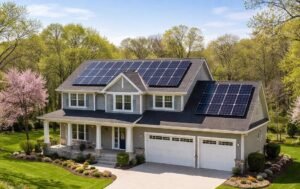
6. Solar Panels Can Increase Energy Independence
Solar panels allow homeowners to generate electricity directly from sunlight rather than relying entirely on their utility provider.
This can increase household energy independence by reducing the amount of electricity purchased from the grid.
Energy independence can be particularly attractive to homeowners who want greater control over their electricity supply and household energy expenses.
However, a typical grid-connected solar system does not necessarily provide electricity during a power outage. Many grid-tied systems automatically shut down when the grid goes offline to protect utility workers and equipment.
Homeowners who want backup electricity during outages generally need an appropriately configured system with compatible battery storage and backup equipment.
7. Solar Panels Combined With Batteries Can Provide Backup Power
Solar panels can be combined with a home battery to store electricity for later use.
During daylight hours, solar panels may generate more electricity than a household immediately needs. Instead of exporting all the excess electricity to the grid, a compatible battery system can store some of it for use later.
Stored electricity may help power selected household appliances during the evening or provide backup electricity during a grid outage, depending on the battery system and installation.
The benefits of solar battery storage include:
- Using more of your own solar-generated electricity.
- Reducing reliance on grid electricity during certain periods.
- Providing backup power when the grid goes down, if the system is properly configured.
- Increasing flexibility in how household electricity is used.
However, batteries add to the overall cost of a solar installation. Their financial value depends on electricity rates, utility policies, battery capacity, household usage and the importance of backup power to the homeowner.
Learn more about how solar battery storage works and explore solar battery storage capacity before deciding whether a battery is suitable for your home.
8. Solar Panels Generally Require Relatively Little Routine Maintenance
Solar panels have no moving parts in their electricity-generating cells, which means they generally require relatively little routine maintenance.
Most residential solar systems are designed to operate outdoors for many years. Depending on local weather and environmental conditions, rain may help remove some dust and loose dirt from the panels.
However, dirt, pollen, leaves, bird droppings and other debris can sometimes reduce solar panel performance.
Homeowners should monitor system production and follow the manufacturer’s maintenance recommendations. Professional inspection may also be appropriate if the system develops a fault or shows an unexpected decline in output.
Read our guide on how often you should clean solar panels to understand when cleaning may be necessary.
9. Solar Energy Can Make Use of Existing Roof Space
Residential rooftop solar panels allow homeowners to generate electricity using space that is already available on their property.
Instead of requiring additional land for a ground-mounted solar installation, rooftop systems can use suitable existing roof surfaces.
This can be particularly useful in residential areas where available land is limited.
However, not every roof is suitable for solar panels. Important considerations include:
- Roof orientation and available sunlight.
- Shading from trees, buildings and other obstacles.
- Roof condition and remaining lifespan.
- Available installation space.
- Local building requirements and installation regulations.
A professional site assessment can help determine whether a roof is suitable for solar panels and estimate the system’s potential electricity production.
For a more detailed homeowner-focused overview, read our guide to solar panels for homes.
10. Solar Energy Supports Jobs and Economic Development
The solar industry creates employment opportunities across several areas of the economy.
These include solar panel manufacturing, system design, installation, electrical work, maintenance, project development and research.
As demand for solar technology grows, businesses and communities can benefit from investment in renewable energy infrastructure and related services.
Solar installations also create work for local contractors, electricians, engineers and other professionals involved in residential and commercial projects.
The economic benefits extend beyond individual households. A growing solar industry can support technological innovation, workforce development and investment in energy infrastructure.
For a closer look at the financial side, read our article on the economic benefits of solar energy.
Environmental Benefits of Solar Energy
Solar energy can offer several environmental advantages, particularly when solar electricity replaces electricity generated from fossil fuels. These benefits are not limited to reducing greenhouse gas emissions. They can also include improvements in air quality, reduced dependence on fuel extraction and opportunities to use existing building space for electricity generation.
However, the environmental benefits depend on how solar systems are manufactured, installed, operated and managed at the end of their useful lives.
Lower Greenhouse Gas Emissions During Electricity Generation
Solar photovoltaic panels generate electricity without burning fossil fuels during operation. This means they do not directly release carbon dioxide or other combustion-related greenhouse gases while producing electricity.
When solar electricity displaces generation from coal, natural gas or other fossil-fuel sources, it can reduce the emissions associated with electricity supply.
The size of the benefit depends on the electricity mix being displaced, the solar system’s performance and its complete lifecycle emissions.
Read more about the environmental benefits of solar energy for a closer look at these advantages.
Reduced Air Pollution
Electricity generation from fossil fuels can release pollutants that affect air quality and human health. Solar photovoltaic systems do not produce these pollutants directly during operation.
As solar power replaces some fossil-fuel electricity generation, it can help reduce emissions associated with conventional power plants. The actual air-quality benefit varies according to the electricity sources being displaced and local conditions.
Reduced Dependence on Fuel Extraction
Solar power does not require a continuous supply of coal, oil or natural gas to generate electricity. Once a solar installation is operating, sunlight provides the energy used by the panels.
This can reduce the need for fuel extraction and transportation associated with the electricity generation that solar power replaces.
Nevertheless, solar technology itself requires mining and processing of materials such as silicon, aluminium, copper and silver. These supply-chain impacts are an important part of evaluating solar energy’s overall environmental performance.
Potential to Use Existing Buildings and Roofs
Rooftop solar systems can generate electricity using existing building surfaces. This can reduce the need to convert additional land specifically for electricity generation.
Ground-mounted solar farms have different land-use considerations. Their effects depend on site selection, project design, construction practices and the local ecosystem.
For a balanced assessment, explore our article on the environmental benefits and drawbacks of solar energy.
Environmental Impact Across the Solar Panel Lifecycle
Solar panels can provide many years of electricity generation, but their environmental footprint begins before installation and continues after they stop operating.
A complete assessment considers the full lifecycle of a solar system, including raw-material extraction, manufacturing, transportation, installation, electricity generation, maintenance and end-of-life management.
Understanding these stages helps explain why solar energy can provide important environmental benefits without being completely impact-free.
Raw Material Extraction and Mining
Solar panels and their supporting equipment require a range of raw materials. Depending on the technology, these may include silicon, glass, aluminium, copper, silver and other metals or industrial materials.
Extracting and processing these resources requires energy, water and industrial infrastructure. Mining activities can also affect land, habitats, water quality and nearby communities if they are not properly managed.
The environmental impact varies according to the material, extraction method, location and environmental standards applied to the operation.
Learn more about the materials mined for solar panels and their environmental effects.
Solar Panel Manufacturing
Manufacturing solar panels involves processing raw materials and assembling components into photovoltaic modules.
These processes require electricity, heat, industrial equipment and various chemicals. The energy sources used in manufacturing can influence the greenhouse gas emissions associated with a finished solar panel.
Manufacturing practices also influence material efficiency, water use, waste generation and opportunities to recover valuable resources.
Read our guide to the solar panel manufacturing process and its environmental impact.
Materials Used in Solar Panels
Most conventional crystalline-silicon solar panels contain several layers and components, including glass, silicon solar cells, aluminium framing, copper wiring and polymer materials.
Different solar technologies use different materials. Some thin-film technologies, for example, use semiconductor materials that differ from those used in conventional crystalline-silicon modules.
The choice of materials affects manufacturing requirements, durability, resource demand and end-of-life recycling options.
Discover what solar panels are made of and the environmental impact of their materials.
Land Use and Solar Farms
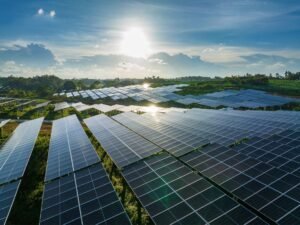
Large ground-mounted solar installations require land for panels, access roads, electrical equipment and other infrastructure.
Clearing or changing the use of land can affect vegetation, habitats, soil conditions and local wildlife. The scale of the impact depends on the previous land use, ecological sensitivity, project design and construction methods.
Careful site selection can help reduce these effects. Projects may also be designed to preserve vegetation, manage stormwater and maintain suitable habitat around and beneath solar installations.
Explore our article on solar farms and wildlife to learn more about how solar developments can affect natural habitats.
Water Use During Manufacturing and Operation
Water can be used at several stages of the solar energy lifecycle. Manufacturing processes may require water for cleaning and processing materials. Solar installations may also use water for panel cleaning or other operational needs.
Water requirements differ considerably between technologies and project types. Photovoltaic systems do not require the same cooling-water processes as many conventional thermal power plants, although cleaning and manufacturing still have water-related impacts.
In water-stressed areas, responsible water management is particularly important.
Learn more about water use and solar energy.
Solar Panel Disposal and Recycling
Solar panels are designed to operate for many years, but they eventually reach the end of their useful lives or may need to be replaced because of damage or changes to a system.
End-of-life panels contain materials that may be recovered, reused or recycled. These can include glass, aluminium, copper and semiconductor materials.
Recycling can help recover valuable resources and reduce the amount of equipment sent to disposal facilities. However, separating and recovering all the different components can be technically challenging and may depend on available recycling infrastructure.
Some discarded panels may also require special handling depending on their materials and applicable waste regulations. It is therefore important to use appropriate recycling or disposal services rather than assuming every panel can be handled in the same way.
For more information, read our guide to solar panel disposal and recycling.
Understanding the Complete Environmental Footprint
Looking only at the electricity produced by solar panels does not provide a complete picture of their environmental impact.
A lifecycle assessment considers the resources and emissions associated with producing, installing, operating and retiring a solar system. It helps compare different energy technologies on a more consistent basis.
The overall environmental performance of solar power depends on factors such as manufacturing energy sources, system efficiency, operating lifetime, location and end-of-life management.
For a broader explanation, see our guide to the environmental impact of solar energy and our article on the hidden environmental costs of solar energy.
Are There Any Disadvantages to Solar Energy?
Although solar energy offers several advantages, it is important to consider its limitations before investing in a solar system.
Some of the main disadvantages include:
- High initial installation costs: Purchasing and installing a residential solar system can require a substantial upfront investment.
- Weather and sunlight dependence: Solar panels generate less electricity during cloudy conditions and do not generate electricity at night.
- Roof suitability: Shading, roof orientation, available space and roof condition can affect system performance.
- Battery costs: Adding battery storage can increase the total installation cost.
- Manufacturing and disposal impacts: Producing and disposing of solar equipment requires materials, energy and appropriate waste management.
- Land-use considerations: Large solar farms can affect habitats and land use if projects are not carefully planned.
- Changing utility policies: Electricity export credits and other compensation arrangements vary by location and can influence the financial value of solar power.
These limitations do not mean solar energy is unsuitable. They simply show why homeowners should evaluate their electricity usage, local conditions, installation costs and expected savings before making a decision.
For a more detailed comparison, read the negative environmental effects of solar energy and our guide to the environmental benefits and drawbacks of solar energy.
How Can We Reduce the Environmental Impact of Solar Panels?
Solar energy’s environmental footprint can be reduced through better manufacturing, responsible material sourcing, careful project planning, efficient operation and improved end-of-life management.
Improve Material Efficiency
Using materials more efficiently during manufacturing can reduce resource requirements and production waste. Recovering valuable materials from manufacturing scrap and retired equipment can also reduce the need for some virgin raw materials.
Use Responsible Manufacturing Practices
Manufacturers can work to improve energy efficiency, manage industrial chemicals safely, reduce water consumption and minimise waste during production.
The environmental performance of manufacturing can also improve when facilities use lower-carbon electricity and adopt more efficient production processes.
Choose Suitable Solar Installation Sites
Rooftop installations, parking canopies and other previously developed areas can provide opportunities to generate solar electricity without converting additional natural land.
Where ground-mounted solar farms are developed, careful site assessments and ecological planning can help reduce damage to sensitive habitats and wildlife.
Maintain Solar Systems Properly
Monitoring system performance and following appropriate maintenance recommendations can help solar installations operate effectively over their expected service lives.
Cleaning should be carried out when necessary and in accordance with manufacturer guidance and safety requirements. Unnecessary cleaning can waste water and may create avoidable maintenance costs.
Improve Reuse and Recycling
When panels reach the end of their useful lives, equipment that remains functional may sometimes be suitable for reuse. Panels that cannot be reused should be directed to appropriate recycling or disposal services.
Improving recycling processes can help recover glass, metals and other valuable materials while reducing waste.
Our guide to reducing the environmental impact of solar panels explores these approaches in greater detail.
Is Solar Energy Worth It for Homeowners?
Solar energy can be worthwhile for homeowners who have suitable roofs, favourable sunlight conditions and electricity costs that make generating their own power financially attractive.
However, there is no single answer for every household. The value of a solar installation depends on several important factors:
- Installation cost: The total price of the system, including equipment and labour.
- Electricity consumption: How much electricity your household uses and when it uses it.
- Local electricity rates: The price you currently pay for electricity and how those rates may change.
- Solar production: How much electricity your panels can realistically generate at your property.
- Utility compensation: How your electricity provider credits or compensates you for excess electricity exported to the grid.
- System lifespan: How long the equipment is expected to operate and how its performance may change over time.
- Financing: Whether you purchase the system outright, use a loan or choose another financing arrangement.
- Battery storage: Whether adding a battery provides sufficient financial or backup-power value for your household.
It is also important to check current federal, state and local incentives before making a financial decision. Tax-credit eligibility and other policies can change, so homeowners should consult official government guidance rather than rely on outdated information.
For more information about installation expenses, read our guide on how much a solar panel system costs.
Homeowners can also compare the potential costs and benefits of solar electricity with their current utility bills before deciding whether an installation is appropriate.
Frequently Asked Questions About the Benefits of Solar Energy
1. What are the main benefits of solar energy?
The main benefits of solar energy include the potential to reduce electricity bills, use a renewable energy resource, lower greenhouse gas emissions, improve air quality, increase energy independence and support economic development. The actual benefits depend on the solar installation and local conditions.
2. How does solar energy benefit the environment?
Solar energy can benefit the environment by generating electricity without direct greenhouse gas emissions or air pollution during operation. When solar power replaces electricity generated from fossil fuels, it can help reduce emissions and associated air pollution. Manufacturing and disposing of solar equipment still have environmental impacts.
3. Can solar panels eliminate electricity bills?
Solar panels can significantly reduce the amount of electricity a household purchases from its utility provider. However, they do not necessarily eliminate electricity bills. Fixed charges, grid fees, nighttime electricity use and periods of low solar production may still result in costs.
4. Does solar energy work on cloudy days?
Yes. Solar panels can generate electricity on cloudy days, although their output is generally lower than under direct sunlight. The amount of electricity produced depends on cloud cover, panel technology, location and other environmental conditions.
5. Can solar panels power a home at night?
Solar panels do not generate electricity at night because there is no sunlight. However, a home can use electricity stored in a compatible battery during the day or purchase electricity from the grid when solar production is unavailable.
6. Do solar panels work during a power outage?
Most standard grid-connected solar systems automatically shut down during a grid outage for safety reasons. A system with compatible battery storage and suitable backup equipment can provide electricity during an outage, depending on its configuration and available stored energy.
7. Are solar panels environmentally friendly?
Solar panels can help reduce the environmental impact of electricity generation, particularly when they replace fossil-fuel power. However, mining raw materials, manufacturing equipment, transportation and end-of-life disposal all have environmental consequences. Their overall environmental performance should be evaluated across the complete lifecycle.
8. How long do solar panels last?
Many solar panels are designed to operate for approximately 25 to 35 years or longer. Their electricity production may gradually decline over time. Actual lifespan and performance depend on panel quality, installation, environmental conditions and maintenance.
9. Do solar panels require a lot of maintenance?
No. Solar panels generally require relatively little routine maintenance because they have no moving parts. However, homeowners should monitor system performance, keep the equipment in good condition and arrange cleaning or professional inspections when necessary.
10. Is solar energy worth the investment?
Solar energy can be a worthwhile investment when the expected electricity savings and other benefits justify the installation cost. The financial outcome depends on system price, electricity rates, sunlight, household consumption, financing and local utility policies. Homeowners should compare realistic estimates before deciding.
11. What are the biggest environmental disadvantages of solar energy?
Some environmental challenges include raw-material extraction, energy and water use during manufacturing, land-use changes associated with some solar farms, and the management of retired solar panels. These impacts vary according to the technology, location, manufacturing process and end-of-life arrangements.
12. Can solar panels be recycled?
Yes. Solar panels can be processed to recover materials such as glass, aluminium and certain metals. However, recycling methods and available facilities vary, and recovering all components can be technically challenging. Appropriate recycling or disposal arrangements are important when panels are retired.
Key Takeaways: Benefits of Solar Energy
- Solar energy can reduce household electricity costs by generating power directly from sunlight.
- It provides electricity from a renewable energy resource.
- Solar power can help reduce greenhouse gas emissions and air pollution when it replaces fossil-fuel electricity generation.
- Homeowners can increase their energy independence by producing some of their own electricity.
- Combining solar panels with battery storage can provide additional flexibility and backup power when properly configured.
- Solar panels generally require relatively little routine maintenance.
- Residential rooftop systems can use existing roof space to generate electricity.
- The solar industry supports jobs, investment and economic development.
- Solar panels have environmental impacts associated with mining, manufacturing, land use and end-of-life management.
- Responsible manufacturing, site selection, maintenance, reuse and recycling can help reduce these impacts.
- Installation costs, roof suitability, sunlight and utility policies all influence the benefits of solar energy.
Related Resources
Continue exploring solar energy with these detailed guides. Each article examines a specific benefit, environmental issue or practical consideration in greater depth.
Solar Energy Benefits
- Economic Benefits of Solar Energy
- Environmental Benefits of Solar Energy
- Environmental Benefits and Drawbacks of Solar Energy
Environmental Impact and Lifecycle
- Environmental Impact of Solar Energy
- Solar Panels Carbon Footprint
- Negative Environmental Effects of Solar Energy
- Hidden Environmental Costs of Solar Energy
Materials, Manufacturing and Resource Use
- Solar Panel Materials and Their Environmental Impact
- Mining Materials for Solar Panels
- Solar Panel Manufacturing Process
- Water Use and Solar Energy
Wildlife, Recycling and Environmental Solutions
- Solar Farms and Wildlife
- Solar Panel Disposal and Recycling
- Reducing the Environmental Impact of Solar Panels
Residential Solar and Practical Considerations
- Solar Panels for Homes
- How Much Does a Solar Panel System Cost?
- How Does Solar Battery Storage Work?
- Solar Battery Storage Capacity
- Pros and Cons of Solar Battery Storage
- How Often Should You Clean Solar Panels?
Sources and Further Reading
The following organisations provide useful information about solar technology, energy generation, environmental impacts, lifecycle assessments and end-of-life management.
- U.S. Department of Energy – Solar Energy
- U.S. Energy Information Administration – Solar Explained
- U.S. Energy Information Administration – Solar Energy and the Environment
- National Renewable Energy Laboratory – An Updated Life Cycle Assessment of Utility-Scale Solar Photovoltaic Systems Installed in the United States
- U.S. Environmental Protection Agency – End-of-Life Solar Panels: Regulations and Management
- U.S. Environmental Protection Agency – Solar Panel Recycling
- U.S. Department of Energy – End-of-Life Management for Solar Photovoltaics
Disclaimer: This article is for general informational purposes only. Solar system performance, costs, savings, incentives and utility policies vary by location and individual circumstances. Consult qualified solar professionals and relevant government or utility sources before making an investment decision.