Environmental Benefits of Solar Energy
Solar energy is often described as clean energy, and for good reason: solar panels generate electricity from sunlight without burning fuel while they operate. When solar power replaces electricity generated from coal, oil or natural gas, it can help reduce greenhouse gas emissions and other forms of air pollution.
But the environmental benefits of solar energy go beyond lower emissions. Solar power can reduce some forms of water use, make productive use of rooftops and previously developed land, and support a more diverse electricity supply. At the same time, solar panels require raw materials and energy to manufacture, and large solar projects need thoughtful planning to protect land and wildlife.
Understanding both sides helps homeowners make informed decisions and see how solar fits into a cleaner energy system. This guide explains the main environmental benefits of solar energy, the limitations worth considering, and practical ways to make solar development more sustainable.

1. Solar Energy Helps Reduce Greenhouse Gas Emissions
One of the most important environmental benefits of solar energy is its potential to reduce greenhouse gas emissions. Conventional power plants that burn fossil fuels release carbon dioxide and other greenhouse gases as they generate electricity. These emissions contribute to climate change.
Solar photovoltaic (PV) panels work differently. They convert sunlight directly into electricity, without burning coal, oil or natural gas at the point of generation. When a home or utility uses solar electricity instead of electricity from a fossil-fuel generator, the amount of pollution associated with electricity production can fall.
The size of the benefit depends on what source of electricity solar replaces. A solar installation displacing a carbon-intensive grid mix can avoid more emissions than one displacing a grid that already relies heavily on low-carbon sources. The time of day, local electricity mix, system performance and lifetime also matter.
Solar panels are not completely emissions-free over their entire life cycle. Mining, material processing, manufacturing, transportation, installation and end-of-life management all require energy and resources. Life-cycle assessments include these stages rather than looking only at the electricity produced while panels are operating. The International Energy Agency Photovoltaic Power Systems Programme explains this full-life-cycle approach in its environmental life-cycle assessment of electricity from PV systems.
The important distinction is that solar power generally has much lower life-cycle greenhouse gas emissions than fossil-fuel electricity, even after manufacturing is taken into account. The exact result varies by technology, manufacturing energy, location and operating lifetime.
2. Solar Power Can Help Improve Air Quality
Burning fossil fuels to produce electricity can release pollutants such as sulfur dioxide, nitrogen oxides and fine particles, depending on the fuel and pollution controls used. These pollutants can contribute to smog, acid deposition and health problems.
Solar PV systems do not produce these combustion-related air pollutants while generating electricity. When solar generation displaces fossil-fuel generation, it can therefore help reduce pollution from the power sector.
This benefit is particularly relevant in areas where electricity production relies heavily on coal or other polluting fuels. Cleaner electricity can support healthier communities, although the actual local improvement depends on which power plants reduce their output and how the wider electricity system operates.
The U.S. Environmental Protection Agency explains that electricity generation affects air, water and land, and that renewable sources such as solar and wind generally do not contribute to climate change or local air pollution through fuel combustion. See the EPA’s guide to energy and its impact on the environment.
3. Solar Electricity Can Reduce Water Use
Water is needed to produce electricity in several ways. Some conventional power plants use water for cooling, while fuel extraction and processing can also affect water resources. Solar PV panels, by contrast, generate electricity without requiring water for steam production or cooling during normal operation.
This can be an advantage in regions where water resources are limited. Replacing some water-intensive electricity generation with solar PV may help reduce pressure on freshwater supplies.
There are important qualifications. Solar panels may need occasional cleaning, and the amount of water used depends on local conditions and cleaning practices. Concentrating solar-thermal power (CSP) plants are also different from PV systems: some CSP designs use water for cooling, while others use dry cooling to reduce water demand.
For homeowners considering rooftop solar, the operational water requirement is generally small. The broader water benefit depends on the electricity sources being displaced and the type of solar technology installed.
4. Rooftop Solar Makes Use of Existing Space
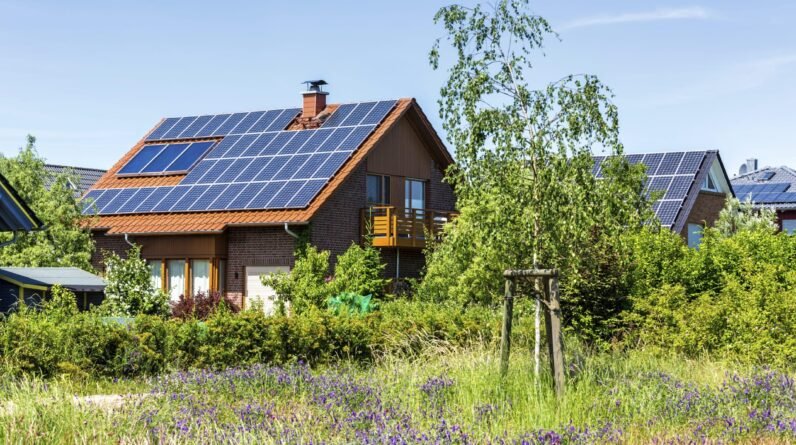
Solar panels do not always require new land. Residential rooftops, commercial buildings, parking canopies and other existing structures can host solar systems without converting undeveloped land into an energy site.
Using existing roofs can be a practical way to expand renewable electricity while limiting additional land disturbance. It can also allow homes, schools, warehouses and businesses to generate electricity close to where it is used.
Not every roof is suitable. Roof condition, orientation, shading, structural capacity, local rules and connection requirements all influence whether an installation makes sense. For a homeowner-focused overview, see our guide to solar panels for homes.

5. Solar Projects Can Reuse Previously Developed Land
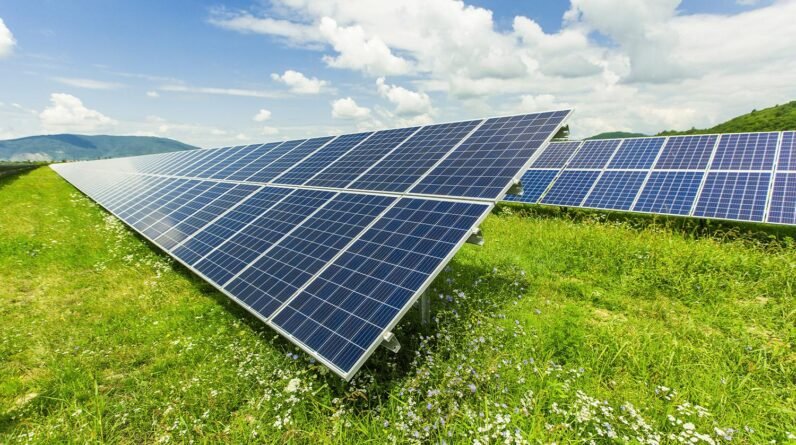
Utility-scale solar farms need space, and their location matters. Building a large project on sensitive habitat, mature forest or high-value agricultural land can create environmental trade-offs. Site selection should therefore be part of any responsible solar development plan.
In some cases, solar projects can be located on land that has already been disturbed or is difficult to use for other purposes. Examples can include certain brownfields, closed landfills, former industrial sites and other previously developed areas, subject to site conditions and environmental review.
The U.S. Department of Energy provides resources on large-scale solar siting, including examples of solar development on previously used land. The environmental value of a site depends on its history, soil and groundwater conditions, habitat, nearby communities and plans for future restoration.
6. Solar and Agriculture Can Sometimes Share the Same Land
A practice known as agrivoltaics combines solar energy production with agricultural activity. Depending on the design, crops may grow between or beneath raised solar panels, livestock may graze around panel arrays, or pollinator-friendly plants may be established at a solar site.
Combining uses can make land more productive, but it is not suitable for every crop, climate or solar design. Panel height, spacing, sunlight, machinery access, soil conditions and farm economics all need to be considered.
The U.S. Department of Energy describes agrivoltaics as the co-location of solar and agriculture, including crops, livestock and pollinator habitats. Its agrivoltaics overview explains current research into how these systems may benefit farmers, ecosystems and rural communities.
7. Solar Energy Can Support a More Diverse Electricity System
Electricity systems are more resilient when they can draw on a mix of energy sources and technologies. Solar power adds a renewable source to that mix and can generate electricity close to homes and businesses.
When solar panels are paired with appropriately designed battery storage, some of the electricity generated during sunny periods can be stored for use later. Solar-plus-storage systems may also provide backup power during certain outages when configured with the necessary equipment and controls.
Solar panels alone do not automatically keep a home powered during a grid outage. Many grid-connected systems shut down during an outage for safety unless they include compatible backup equipment. Learn more in our guide to how solar power works.
8. Solar Panels Have Environmental Impacts That Need Managing
A balanced discussion of the environmental benefits of solar energy should also acknowledge its impacts. Solar panels require materials such as glass, aluminum, silicon and other components. Extracting and processing these materials uses energy and can affect local environments.
Manufacturing also requires electricity, heat and industrial processes. The environmental footprint of a panel therefore depends partly on where and how it is made, the energy used in production, how far it is transported and how much electricity it generates over its lifetime.
At the end of their useful life, panels and other system components need to be reused, recycled or disposed of responsibly. Recycling processes exist for some PV technologies and materials, but collection, transport, processing capacity and cost remain practical challenges in the United States.
The U.S. Department of Energy’s End-of-Life Management for Solar Photovoltaics resource explains why planning for repair, reuse, recycling and decommissioning is important. It also notes that recycling can help recover valuable materials, although recycling economics and infrastructure are still developing.

9. How Homeowners Can Make Their Solar Choice More Sustainable
Homeowners cannot control every stage of the solar supply chain, but they can ask useful questions before choosing a system and installer.
- Consider rooftop space first: Using an existing roof can avoid the need for a separate ground-mounted site.
- Choose a system suited to your home: Correct sizing helps avoid installing more equipment than the property can use or accommodate.
- Ask about product warranties and expected service life: Durable equipment that performs well over many years can improve the overall life-cycle value of a system.
- Understand maintenance requirements: Follow manufacturer guidance and avoid unnecessary cleaning or harsh chemicals.
- Ask about end-of-life options: Find out whether the installer or manufacturer offers take-back, repair, refurbishment or recycling support.
- Review the full electricity picture: Energy efficiency and reducing avoidable electricity use can complement solar generation.
For a practical introduction to system components, planning and installation considerations, read DIY Home Solar Systems: Costs, Components & Safety. DIY electrical work can involve serious hazards and code requirements, so homeowners should use qualified professionals where required and follow local regulations.
Watch: What Are the Environmental Benefits of Solar Energy?
This short video from EnergySage introduces several ways solar power can benefit the environment, including lower emissions during electricity generation and the use of rooftops or other suitable sites.
Video: EnergySage, “What Are the Environmental Benefits of Solar Energy?”
Key Takeaways
- Solar PV generates electricity without burning fuel or producing air pollution during operation.
- When solar replaces fossil-fuel electricity, it can reduce greenhouse gas emissions and other power-sector air pollutants.
- Solar PV generally requires little water during electricity generation compared with many thermal power technologies.
- Rooftop installations can produce electricity using existing building space.
- Careful siting, including use of suitable previously developed land and agrivoltaic designs, can reduce some land-use conflicts.
- Manufacturing, materials, land use and end-of-life management still matter; solar is lower-impact electricity, not impact-free electricity.
- Homeowners can support more sustainable outcomes by choosing suitable equipment, maintaining it responsibly and asking about repair and recycling options.
Frequently Asked Questions About the Environmental Benefits of Solar Energy
1. What are the main environmental benefits of solar energy?
The main benefits include lower greenhouse gas emissions when solar replaces fossil-fuel electricity, reduced air pollution from power generation, low water use during PV operation and the ability to generate electricity on existing rooftops and other suitable sites.
2. Is solar energy completely environmentally friendly?
No energy source is impact-free. Solar panels require raw materials and energy to manufacture, and large installations can affect land and habitats. However, solar PV generally has much lower life-cycle greenhouse gas emissions than fossil-fuel electricity.
3. Do solar panels produce pollution?
Solar PV panels do not release air pollutants or carbon dioxide through fuel combustion while generating electricity. Pollution can occur during mining, manufacturing, transport and end-of-life processing, which is why life-cycle impacts matter.
4. How does solar energy help reduce climate change?
Solar electricity can reduce the need for electricity generated by burning fossil fuels. This can lower power-sector greenhouse gas emissions, although the amount depends on the electricity mix being displaced and the solar system’s life-cycle footprint.
5. Does solar energy use water?
Solar PV panels do not need water for steam or cooling during normal electricity generation. Some water may be used for cleaning. Certain concentrating solar-thermal plants use water for cooling, although dry-cooling options are available.
6. Can solar panels improve air quality?
They can contribute to cleaner air when solar generation displaces power plants that burn fossil fuels and release pollutants. The local effect depends on which generators reduce output and the pollution controls in use.
7. Do solar farms harm wildlife?
They can affect wildlife if poorly sited or developed without suitable safeguards. Habitat disturbance, fencing, vegetation changes and construction activity should be considered during planning. Responsible siting and habitat management can reduce some impacts.
8. Are rooftop solar panels better for the environment than solar farms?
Rooftop solar can use existing building space and avoid converting undeveloped land. Utility-scale solar farms can produce large amounts of electricity efficiently, but their land and habitat impacts depend on where and how they are built. Both can contribute to cleaner electricity when responsibly planned.
9. Can old solar panels be recycled?
Yes. Recycling processes exist for some solar panel technologies and can recover materials such as glass and metals. However, collection systems, processing capacity and costs can make recycling challenging in some locations. Ask your installer about available end-of-life options.
10. What can homeowners do to reduce the environmental impact of a solar installation?
Homeowners can consider rooftop installation where suitable, choose durable and correctly sized equipment, use qualified installers, maintain the system according to manufacturer guidance and ask about repair, reuse and recycling options.
Related Resources
- Solar Panels for Homes: Benefits, Costs and Considerations
- How Solar Power Works
- DIY Home Solar Systems: Costs, Components & Safety
Further Reading and Sources
- U.S. Energy Information Administration – Solar Energy and the Environment
- U.S. Environmental Protection Agency – Learn About Energy and Its Impact on the Environment
- U.S. Department of Energy – Agrivoltaics: Solar and Agriculture Co-Location
- U.S. Department of Energy – Large-Scale Solar Siting Resources
- U.S. Department of Energy – End-of-Life Management for Solar Photovoltaics
- IEA PVPS – Environmental Life Cycle Assessment of Electricity from PV Systems