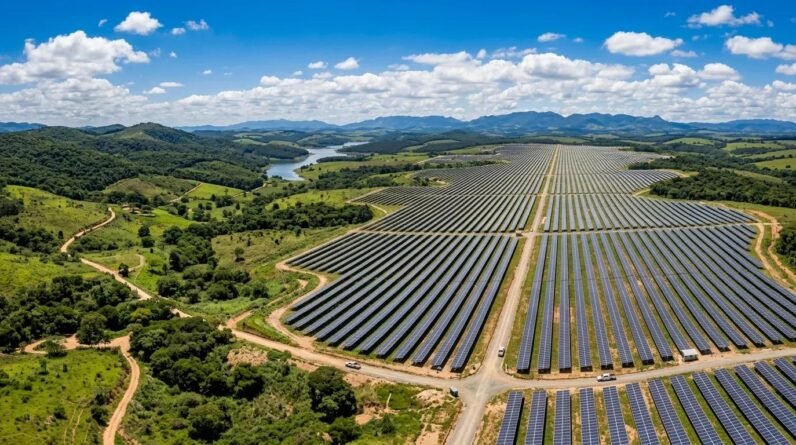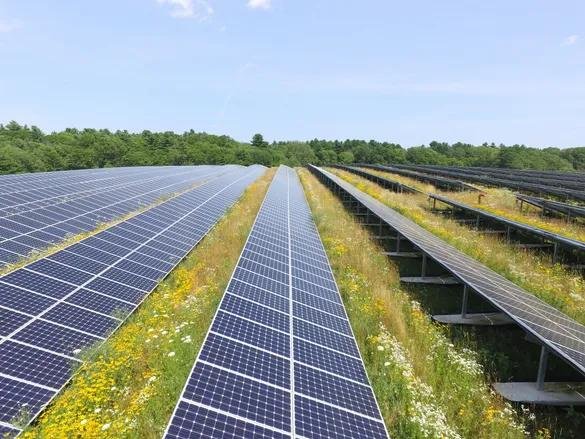
Reducing the Environmental Impact of Solar Panels: 10 Practical Solutions
Solar panels generate renewable electricity without burning fossil fuels during normal operation. However, producing, installing and eventually disposing of solar equipment still requires materials, energy, land and resources. These activities can create environmental impacts that should be considered when evaluating the sustainability of solar power.
Reducing the environmental impact of solar panels is essential for a sustainable future. By focusing on innovative practices, we can achieve significant improvements in this area.
The good news is that many of these impacts can be reduced. Manufacturers can improve production efficiency and use materials more responsibly. Developers can choose suitable sites and protect wildlife. Homeowners can maintain their systems properly, while recycling programmes can recover valuable materials from retired panels.
Implementing strategies for reducing the environmental impact of solar panels can also enhance efficiency and reduce costs.
Reducing the environmental impact of solar panels is therefore not just about choosing a particular type of module. It involves making better decisions throughout the entire solar lifecycle, from raw material extraction and manufacturing to installation, operation and end-of-life management.
Incorporating methods for reducing the environmental impact of solar panels at every stage can lead to more effective energy solutions.
In this guide, we explore 10 practical ways to make solar energy more environmentally responsible and explain what manufacturers, project developers, installers and solar owners can do to reduce unnecessary environmental harm.
Every stakeholder has a role in reducing the environmental impact of solar panels, from manufacturers to consumers.
1. Source solar panel materials responsibly
Responsible sourcing is a crucial component in reducing the environmental impact of solar panels, ensuring that materials are obtained sustainably.
Solar panels depend on raw materials such as silicon, glass, aluminium, copper and silver. Certain thin-film technologies also use other specialised materials.
These resources must be extracted and processed before they can be used in photovoltaic equipment. Mining can affect land, water, soil quality, biodiversity and nearby communities.
One way to reduce these impacts is to improve the environmental and social standards applied throughout mineral supply chains.
Responsible sourcing can involve:
- Assessing suppliers and their environmental management practices.
- Improving transparency about the origin of important materials.
- Supporting responsible mining and mineral processing.
- Reducing unnecessary material consumption.
- Encouraging the recovery and reuse of valuable metals.
- Considering environmental and social risks in procurement decisions.
Manufacturers and major project developers can have significant influence through their purchasing requirements. Homeowners may have less direct control over individual mining supply chains, but they can ask installers and manufacturers about product sustainability information, material sourcing and take-back arrangements.
Responsible sourcing does not mean that mining impacts disappear. It means that supply-chain risks are identified, managed and reduced wherever possible.
Read more in our guide to mining materials for solar panels and their environmental effects.
2. Make solar panel manufacturing more efficient
Efficiency in manufacturing processes is vital for reducing the environmental impact of solar panels.
Manufacturing is an important part of the environmental footprint of photovoltaic systems. Producing solar-grade silicon, photovoltaic cells, glass and other components requires industrial processes that consume energy and resources.
Manufacturers can reduce environmental impacts by improving production efficiency and reducing waste.
Useful approaches include:
-
- Reduce material waste: Improve wafer cutting and processing methods to use silicon more efficiently.
- Improve energy efficiency: Reduce the electricity and heat required during manufacturing.
- Use lower-carbon electricity: Where feasible, power factories with renewable or lower-emissions electricity.
- Improve water management: Reuse suitable process water and treat wastewater responsibly.
By improving energy sources, we can further aid in reducing the environmental impact of solar panels.
- Reduce manufacturing defects: Improve production quality to avoid unnecessary rejected modules.
- Recover useful production materials: Reclaim suitable materials from manufacturing waste.
Improving photovoltaic cell efficiency can also help reduce material requirements per unit of electricity generated, although the overall effect depends on the technology and manufacturing process.
The IEA PVPS life-cycle assessment of photovoltaic electricity reports improvements in environmental performance compared with earlier assessments. These improvements include higher module efficiency, reduced silicon-related production losses and lower energy requirements in parts of the manufacturing process.
Read our dedicated article on solar panel manufacturing and environmental impact for more detail.
3. Choose suitable locations for solar installations
Site selection plays a significant role in reducing the environmental impact of solar panels.
Where solar panels are installed can make a significant difference to their environmental impact.
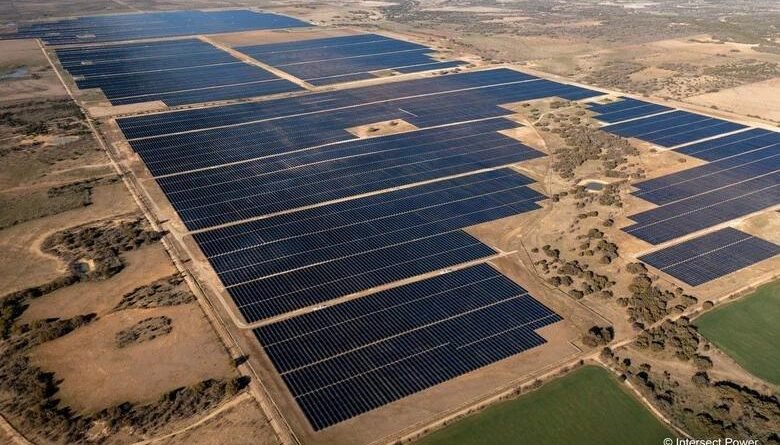
Rooftop installations generally use existing building surfaces rather than requiring additional land to be converted for energy production. Ground-mounted solar farms, on the other hand, need suitable land and may affect existing vegetation, wildlife habitats and agricultural activities.
Developers can reduce land-related impacts by considering locations such as:
- Commercial and industrial rooftops.
- Car parks and parking structures.
- Previously developed or disturbed land.
- Suitable brownfield sites.
- Some landfills and other appropriately assessed sites.
- Existing infrastructure corridors where environmental conditions allow.
Using previously disturbed land does not automatically make a project environmentally harmless. Each site still needs to be assessed for contamination, drainage, habitat value, soil conditions and other local constraints.
The U.S. Environmental Protection Agency provides guidance on renewable energy site considerations, including the use of developed and potentially contaminated sites. The Department of Energy also researches large-scale solar siting and ways to reduce environmental conflicts.
For larger projects, site selection should happen before detailed design and construction. Avoiding sensitive habitats is generally preferable to trying to restore them after disturbance.
Careful planning is essential for reducing the environmental impact of solar panels during installation.
4. Protect wildlife and natural habitats during solar development
Protecting wildlife during installations is a key factor in reducing the environmental impact of solar panels.
Utility-scale solar projects can affect wildlife through vegetation removal, habitat fragmentation, construction activity, fencing and changes to soil and drainage.
These impacts are not identical at every site. They depend on the ecosystem, species present, project layout and construction methods.
Developers can reduce biodiversity impacts by:
- Conducting ecological surveys before construction.
- Avoiding important habitats and sensitive ecological areas.
- Retaining existing vegetation where practical.
- Maintaining suitable wildlife movement corridors.
- Using fencing that considers local wildlife requirements.
- Establishing native vegetation where appropriate.
- Monitoring biodiversity during the operational period.
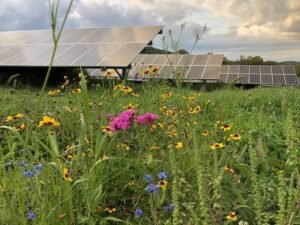
Some solar farms can also provide opportunities for pollinator habitat and other conservation practices. However, these benefits depend on appropriate plant selection, maintenance and local ecological conditions.
The USDA Natural Resources Conservation Service’s conservation guidance for utility-scale solar projects covers soil health, erosion control, stormwater management, vegetation and wildlife habitat throughout the project lifecycle.
For more detail, see Solar Farms, Natural Habitats and Wildlife.
5. Reduce water consumption in solar production and operation
Reducing water usage is crucial for reducing the environmental impact of solar panels and ensuring sustainability.
Conventional photovoltaic panels do not require water to generate electricity. Nevertheless, water can be used during raw material processing, manufacturing, construction and panel cleaning.
Concentrating solar power systems are different. Some use steam turbines and wet cooling systems that can require substantial water during operation.
Water-related impacts can be reduced through:
- Improving water efficiency in photovoltaic manufacturing.
- Reusing suitable industrial process water.
- Treating wastewater before discharge or reuse.
- Cleaning panels only when necessary.
- Considering dry-cleaning technologies in suitable locations.
- Using dry or hybrid cooling where appropriate for concentrating solar power.
- Assessing local water availability before developing large projects.
Cleaning requirements should be based on actual site conditions. Frequent washing is not always necessary, particularly where rainfall naturally removes much of the accumulated dust.
Reducing unnecessary water use is especially important in dry regions where solar projects may share limited water resources with households, agriculture and ecosystems.
Read more about water use and solar energy.
6. Extend the useful life of solar panels
Longevity of solar systems is directly tied to reducing the environmental impact of solar panels.
One of the most practical ways to reduce the environmental impact of solar panels is to keep suitable equipment operating safely and efficiently for as long as possible.
Manufacturing and installing replacement panels requires additional materials, energy and transport. Avoiding premature replacement can therefore reduce unnecessary resource demand.
Solar owners and operators can support longer system lifetimes by:
- Choosing reliable panels and components.
- Using qualified installers and suitable mounting systems.
- Ensuring electrical connections and system components are installed correctly.
- Monitoring electricity production for unusual changes.
- Inspecting systems after severe weather or suspected damage.
- Following appropriate maintenance recommendations.
- Repairing or replacing individual components where practical instead of automatically replacing the entire system.
Durability is also influenced by the local environment. Wind, hail, snow, heat and other weather conditions should be considered during system design.
The U.S. Department of Energy’s photovoltaic lifecycle guidance recommends considering weather conditions, equipment selection, system design, maintenance and end-of-life planning when developing durable solar systems.
7. Maintain solar panels efficiently
Maintenance helps solar systems operate safely and perform as expected. However, unnecessary cleaning, premature replacement and poorly planned maintenance can consume additional water and resources.
Good maintenance practices include:
- Monitoring system output and investigating unexpected performance losses.
- Checking for visible damage after severe weather.
- Removing dirt when it has a meaningful effect on performance.
- Following manufacturer cleaning instructions.
- Using suitable cleaning equipment and methods.
- Maintaining inverters, wiring and other balance-of-system components.
Not every performance problem is caused by dirty panels. Faulty electrical connections, inverter issues, shading and damaged components may also affect output.
Maintenance should therefore be based on inspection and monitoring rather than automatically cleaning or replacing equipment on a fixed schedule.
Our practical guides explain how often solar panels should be cleaned and how to clean solar panels on a roof safely.
8. Design solar systems for repair, reuse and recycling
Designing for repairability can significantly contribute to reducing the environmental impact of solar panels.
Solar panels are designed to withstand decades of outdoor exposure. Their bonded construction protects the photovoltaic cells, but it can make it difficult to separate the different materials during recycling.
Manufacturers can reduce end-of-life challenges by considering repairability and recycling during product design.
Useful design improvements include:
- Making components easier to separate.
- Reducing unnecessary material complexity.
- Improving access to repairable components.
- Reducing the use of materials that are difficult to recover where suitable alternatives exist.
- Providing clear product and material information.
- Designing products with established recycling processes in mind.
The U.S. Department of Energy recommends considering design choices that make panels easier to separate, extending panel lifetimes and reducing the use of rare, expensive or hazardous materials where appropriate.
These decisions can improve the options available when panels are eventually removed from service.
9. Reuse and recycle solar panels at the end of their useful lives
Encouraging reuse of materials is a step towards reducing the environmental impact of solar panels.
Solar panels should not automatically be treated as waste as soon as they are removed from an installation. Some may still be functional and suitable for reuse, refurbishment or another application.
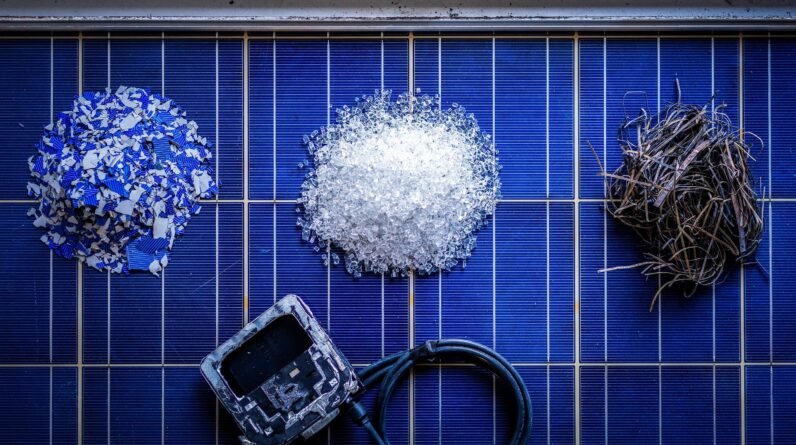
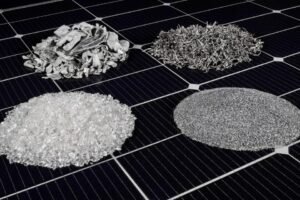
When reuse is not appropriate, recycling can recover materials such as:
- Glass.
- Aluminium.
- Copper.
- Silicon.
- Silver and other metals.
Recycling can reduce demand for virgin materials and help keep valuable resources in circulation. However, the recovery process depends on the panel technology, facility capabilities and economic conditions.
Responsible end-of-life management should include:
- Planning for panel removal before the system reaches the end of its useful life.
- Separating panels suitable for reuse from damaged or unsuitable modules.
- Using appropriate recycling facilities.
- Managing residual materials under applicable waste requirements.
- Keeping records of collection, recycling and disposal where appropriate.
In the United States, some discarded solar panels may qualify as hazardous waste under federal rules, while others do not. Owners should check applicable state and local requirements before arranging disposal.
The EPA provides guidance on solar panel recycling, reuse and end-of-life waste management.
Read our complete guide to solar panel disposal and recycling.
10. Support more sustainable solar policies and supply chains
Policymaking around solar energy should aim at reducing the environmental impact of solar panels on a broader scale.
Individual homeowners and installers can make useful decisions, but reducing the environmental impact of solar energy also requires action across the wider industry.
Governments, manufacturers, developers, utilities and industry organisations can support better environmental outcomes through:
- Clearer environmental information about solar products.
- Responsible mineral sourcing and supply-chain transparency.
- Research into more efficient photovoltaic materials and manufacturing.
- Investment in solar panel reuse and recycling infrastructure.
- Environmental assessments for large-scale solar projects.
- Protection of important habitats and agricultural resources.
- Practical end-of-life and decommissioning requirements.
Industry standards and procurement requirements can also encourage manufacturers to improve product durability, material efficiency and recyclability.
The objective is to make environmental responsibility part of normal solar project planning, rather than treating it as a problem that only needs attention when a panel is discarded.
11. Who is responsible for reducing the environmental impact of solar panels?
Responsibility is shared across the solar value chain. Different participants can influence different stages of the lifecycle.
Every participant in the solar panel lifecycle has a role in reducing the environmental impact of solar panels.
| Who? | Practical actions |
|---|---|
| Raw material suppliers | Improve mining practices, water management, waste controls and supply-chain transparency. |
| Manufacturers | Reduce material waste, improve energy and water efficiency, and design for durability and recycling. |
| Project developers | Choose suitable sites, protect habitats and plan for decommissioning. |
| Installers | Use appropriate system designs, qualified installation practices and durable components. |
| Solar owners | Monitor performance, maintain equipment and use suitable repair or recycling services. |
| Governments and regulators | Support environmental safeguards, responsible waste management and research. |
| Recycling companies | Improve collection, material separation, recovery efficiency and safe waste handling. |
No single group can address every environmental impact. Effective progress depends on cooperation and better decisions throughout the supply chain.
12. Can solar panels become completely environmentally friendly?
Solar panels are not completely impact-free. Their production requires raw materials, energy, water and industrial processes. Large ground-mounted installations can also affect land and wildlife, while recycling still has technical and economic limitations.
However, these impacts can be reduced through responsible sourcing, cleaner manufacturing, efficient system design, appropriate site selection, longer product lifetimes and better recycling.
It is also important to consider the wider energy system. Solar photovoltaic electricity generally has much lower lifecycle greenhouse gas emissions than fossil-fuel electricity. Its environmental footprint should therefore be assessed across its full lifecycle and compared using consistent methods.
Continuous improvement is necessary for reducing the environmental impact of solar panels as technology evolves.
The realistic objective is not to make solar panels completely impact-free. It is to continually reduce their environmental footprint while maintaining the benefits of generating electricity from sunlight.
Frequently Asked Questions
How can we reduce the environmental impact of solar panels?
Environmental impacts can be reduced through responsible material sourcing, efficient manufacturing, suitable site selection, wildlife protection, water conservation, longer panel lifetimes, efficient maintenance, reuse and recycling.
Are solar panels environmentally friendly?
Solar panels generate electricity without burning fossil fuels during normal operation and generally have much lower lifecycle greenhouse gas emissions than fossil-fuel electricity. However, manufacturing, mining, land use and end-of-life management still create environmental impacts.
Does recycling solar panels reduce environmental impact?
Yes. Recycling can recover valuable materials such as glass, aluminium, copper, silicon and silver. This can reduce waste and the need for some newly extracted raw materials, although recycling itself also requires energy and processing.
How can manufacturers make solar panels more sustainable?
Innovative solutions can lead to reducing the environmental impact of solar panels, making them more sustainable.
Manufacturers can improve energy and water efficiency, reduce material waste, use lower-carbon electricity, improve product durability and design modules that are easier to repair and recycle.
How can solar farms protect wildlife?
Developers can choose lower-impact locations, conduct ecological surveys, retain vegetation, protect wildlife corridors, use appropriate fencing and maintain native or pollinator-friendly habitats where suitable.
Do solar panels use a lot of water?
Conventional photovoltaic panels do not require water to generate electricity. Water may be used in manufacturing and cleaning. Some concentrating solar power plants use water for cooling, depending on their design.
Can solar panels last longer to reduce waste?
Choosing durable equipment, installing systems correctly, monitoring performance and carrying out appropriate maintenance can help extend useful system life and avoid unnecessary replacement.
Can solar panels be reused instead of recycled?
Yes. Panels that remain safe and functional may be tested and reused in another suitable application. Reuse can extend their useful life, although electrical, building and regulatory requirements must be considered.
What is the most important step in reducing solar’s environmental footprint?
There is no single solution that addresses every impact. Avoiding sensitive sites, improving manufacturing efficiency, extending product lifetimes and building effective recycling systems all contribute to better environmental performance.
Can solar energy become completely sustainable?
Long-term strategies for reducing the environmental impact of solar panels are essential for a sustainable energy future.
Solar energy can become more sustainable through continuous improvements in material sourcing, manufacturing, land management, system durability and recycling. However, no large-scale energy technology is entirely free from environmental impacts.
Key Takeaways
Investment in research is crucial for reducing the environmental impact of solar panels and optimizing their usage.
- Reducing the environmental impact of solar panels requires action throughout the entire lifecycle.
- Responsible material sourcing can help reduce mining-related environmental and social risks.
- Cleaner manufacturing and material efficiency can reduce energy, water use and production waste.
- Careful site selection and wildlife-friendly design can limit land and biodiversity impacts.
- Efficient water management and appropriate cleaning methods can reduce unnecessary water consumption.
- Durable equipment and proper maintenance can extend system lifetimes and avoid premature replacement.
- Repair, reuse and recycling can keep valuable materials in circulation.
- Manufacturers, developers, installers, owners, regulators and recyclers all have a role in improving solar sustainability.
Related Resources
Understanding the lifecycle of solar panels helps in reducing the environmental impact of solar panels effectively.
- Environmental Impact of Solar Energy: From Manufacturing to Recycling
- Solar Panel Materials and Environmental Impact
- Mining Materials for Solar Panels: Environmental Effects
- Solar Panel Manufacturing and Environmental Impact
- Solar Farms, Natural Habitats and Wildlife
- Water Use and Solar Energy
- Solar Panel Disposal and Recycling
- Solar Panels Carbon Footprint: How It Compares With Fossil Fuels
Further Reading and Sources
Further exploration into advanced materials can aid in reducing the environmental impact of solar panels.
Efforts to improve end-of-life processes will assist in reducing the environmental impact of solar panels.
Collaboration across sectors is vital for reducing the environmental impact of solar panels.