Solar Panels for Homes: Benefits, Costs and Considerations
Solar panels for homes give homeowners an opportunity to generate electricity from sunlight, reduce the amount of power they purchase from their utility company and make greater use of renewable energy. A properly designed residential solar system can help manage household energy costs while reducing the emissions associated with electricity generation.
Solar panels for homes are becoming increasingly popular due to their ability to provide sustainable energy solutions.
However, installing solar panels is a significant home improvement decision. The financial and practical benefits depend on factors such as your electricity use, roof condition, local sunlight, installation costs, financing arrangements and utility policies.
In this guide, we explore the main benefits of residential solar, how homeowners can use the electricity their systems generate, and what to consider before investing.
With solar panels for homes, homeowners can achieve significant savings on energy bills.
1. Reduce Your Household Electricity Bills
One of the main reasons homeowners consider solar panels is the potential to reduce their monthly electricity bills.
Investing in solar panels for homes can lead to long-term financial benefits.
A solar photovoltaic (PV) system generates electricity from sunlight. Your household can use this electricity to power everyday appliances, lighting, electronics and other electrical equipment. When your panels generate enough electricity to meet some of your household demand, you may need to purchase less electricity from your utility company.
Using solar panels for homes not only saves money but also contributes to reducing carbon footprints.
Your potential savings depend on several factors, including:
- How much electricity your household uses.
- The size and performance of your solar system.
- The direction, angle and condition of your roof.
- The amount of sunlight your panels receive.
- Your local electricity rates.
- How your utility company bills and credits excess electricity sent to the grid.
- The upfront cost and financing terms of your system.
A correctly sized system can make a meaningful difference to household energy expenses, although it does not automatically eliminate every electricity bill. You may still have fixed utility charges or need to purchase electricity when your panels are not producing enough power.
Solar panels for homes can drastically cut energy expenses, making them a worthwhile investment.
2. Generate Your Own Renewable Electricity
Solar energy comes from sunlight, a renewable natural resource. Solar photovoltaic panels convert sunlight into electricity through a process known as the photovoltaic effect.
Solar panels for homes harness renewable energy, providing a clean energy source.
Solar cells inside the panels generate direct current (DC) electricity. An inverter converts that electricity into alternating current (AC), which is the type normally used by household appliances.
Your solar-generated electricity can help power everyday equipment, including:
Solar panels for homes can power a variety of devices, enhancing energy independence.
- Refrigerators and freezers.
- Washing machines and dryers.
- Lighting and televisions.
- Computers and home office equipment.
- Kitchen appliances.
- Heating and cooling equipment, where the system is appropriately sized.
Your solar panels do not need to connect to each appliance individually. The system connects to your home’s electrical system through the inverter. The amount of household electricity solar can supply depends on the system’s output and when your household uses electricity.
3. Reduce the Environmental Impact of Household Electricity
Another important benefit of solar energy is its potential to reduce the environmental impact associated with electricity generation.
Adopting solar panels for homes is a step towards a more sustainable lifestyle.
Traditional electricity generation can involve burning fossil fuels such as coal and natural gas. Solar photovoltaic systems generate electricity from sunlight without burning fuel during operation. When home solar replaces electricity that would otherwise come from more carbon-intensive generation, it can help reduce emissions associated with household electricity use.
The overall environmental benefit depends on the electricity sources in your region, the performance of your solar system and the materials and energy used to manufacture, transport and install the equipment. Solar panels therefore have lifecycle impacts, even though they generate electricity without combustion during operation.
For homeowners interested in making more sustainable choices, rooftop solar can be one practical step towards using cleaner electricity.
4. Become Less Dependent on Your Utility Company
Solar panels for homes can reduce reliance on traditional energy sources.
Generating electricity at home can reduce the amount of power you need to purchase from your utility provider. This can give your household greater control over where some of its electricity comes from and may help limit exposure to changes in electricity prices.
Most grid-connected solar homes remain connected to the utility grid. They may still rely on the grid at night or when their system is not producing enough electricity. Solar panels also do not automatically provide backup power during a grid outage.
Many standard grid-connected systems automatically shut down during an outage to protect utility workers and equipment. If you want backup electricity, you may need a compatible battery and suitable backup equipment. The system design determines whether power is available to the whole home or only selected circuits.
5. Receive Credits for Excess Solar Electricity
Sometimes a solar energy system generates more electricity than a home needs at a particular moment. Depending on your utility provider and local regulations, excess electricity may be sent back to the grid.
Some utilities offer net metering or other forms of export compensation. Under these arrangements, homeowners may receive credits or payments for electricity supplied to the grid. The value of exported electricity is not the same everywhere: compensation rules, eligible system sizes, billing periods and payment rates vary by state and utility company.
Before installing solar panels, contact your electricity provider to understand its current interconnection requirements and policies for excess generation. Ask how exported electricity is credited and whether the credit can offset electricity you use later. These details can have a meaningful effect on the financial value of your system.
Homeowners can benefit financially from net metering when using solar panels for homes.
6. Make Better Use of Suitable Roof Space
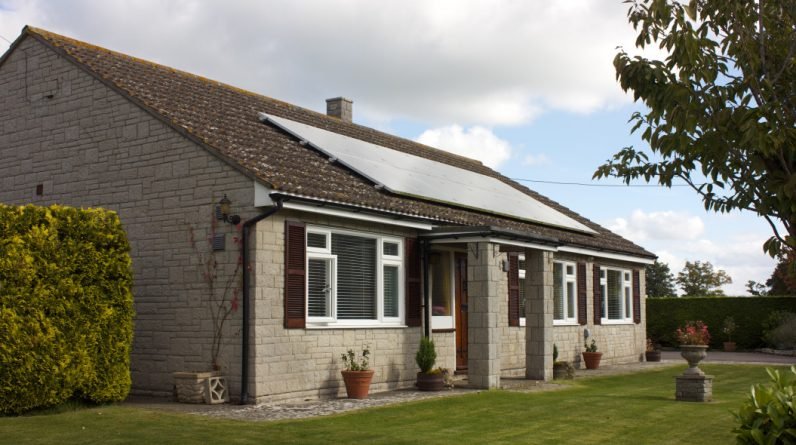
For many homeowners, the roof provides a convenient location for solar panels without taking up valuable garden or yard space. However, not every roof is equally suitable.
A qualified professional should assess:
- The roof’s condition and expected remaining lifespan.
- Roof direction and slope.
- Shade from trees, chimneys and nearby buildings.
- Available installation space.
- Structural suitability.
- Local building and electrical requirements.
Roof direction, shading, roof pitch and local weather conditions all influence solar production. A south-facing roof can often be advantageous in the United States, but other orientations may also work well depending on the location and system design. A professional assessment can help estimate how much electricity a system could generate on your property.
Assessing suitability for solar panels for homes can maximize energy production.

7. Plan for Long-Term Savings, Lifespan and Maintenance
Solar panels require an upfront investment, including equipment, installation and any additional electrical work. Homeowners may recover some or all of that investment over time through reduced electricity purchases, but the financial outcome varies from one household to another.
Homeowners should consider the long-term savings from solar panels for homes.
Solar panels are designed for long-term outdoor use. Many manufacturers offer performance warranties extending for around 25 years or more, although warranty terms differ between products. This does not mean every component in a solar system will last for the same period. Inverters, batteries and other electrical components may have different expected lifespans and replacement requirements.
Solar panels generally require relatively little routine maintenance, but homeowners should monitor system performance and arrange inspections when necessary. Depending on local conditions, maintenance may include:
- Checking the system’s performance monitoring.
- Looking for visible damage.
- Keeping nearby trees from creating excessive shade.
- Arranging professional inspections when needed.
- Cleaning panels when dirt or other deposits significantly affect performance.
Always follow the manufacturer’s maintenance instructions and use appropriate professionals for work on the roof or electrical equipment.
When evaluating an installation, consider the total system cost, financing charges, possible inverter replacement, maintenance requirements and expected electricity production over time. Compare these costs with realistic estimates of your utility bill savings.
8. Combine Solar Panels with Battery Storage
Solar panels can be combined with a home battery to make better use of the electricity generated during the day. Without battery storage, a grid-connected home generally uses solar electricity as it is produced and obtains additional electricity from the grid when necessary.
Combining solar panels for homes with battery storage can enhance energy efficiency.
With a battery, some excess daytime generation can be stored for use later, such as in the evening or when solar production is low. A battery may also provide backup power during certain outages, depending on its capacity, system design and whether suitable backup functionality is installed.
Solar batteries add to the installation cost. Homeowners should compare the additional expense with the value of greater energy flexibility, potential changes in electricity use and the backup power they want. A battery is not automatically necessary for every home solar system.
9. Understand the Costs and Limitations Before Installing Solar
Although residential solar offers several advantages, it is important to understand the costs and practical limitations before making a decision.
Solar panels do not produce the same amount of electricity at all times. Output changes with sunlight, season, weather, shading and panel orientation. Your household may still need electricity from the grid, particularly at night or during periods of low solar production.
Other considerations include:
Understanding costs related to solar panels for homes is essential for informed decisions.
- Initial investment: Purchasing and installing a solar system can involve a significant upfront cost.
- Roof suitability: Older roofs, structural problems and heavy shading may affect installation decisions.
- Maintenance: Panels and other system components may need periodic inspection and maintenance.
- Utility rules: Interconnection requirements and compensation for excess electricity vary by location.
- Incentives: Federal, state and local programmes can change. Check current eligibility and rules before including incentives in your financial calculations.
- Financing: Loan terms, fees and other financing costs can affect the overall value of the investment.
Ask more than one qualified installer for a detailed written quote. Request an estimate of annual electricity production, expected bill savings, equipment and workmanship warranties, financing costs and any ongoing expenses. Ask how the savings estimate was calculated and what assumptions it makes about future electricity prices and compensation for exported electricity.
Solar panels for homes offer various financial incentives that can ease initial costs.
In the United States, incentive rules can change. Do not assume that a federal tax credit or other incentive is available for a new installation without checking current official guidance and the requirements that apply to your situation. State, local and utility programmes may differ.
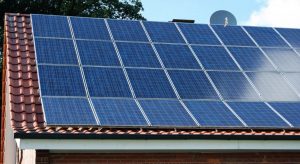
Are Solar Panels for Homes Worth It?
Solar panels may be worthwhile for homeowners who have suitable roof space, sufficient sunlight and electricity costs that make solar generation financially attractive. Homes with high electricity use or favourable utility arrangements may have more opportunities to benefit, but the result depends on the individual property and system.
The best way to evaluate the investment is to compare the total system cost with realistic estimates of electricity generation and long-term savings. Ask installers to base their estimates on your actual electricity use and property rather than relying on general claims about guaranteed savings.
Evaluating solar panels for homes should involve a thorough analysis of electricity needs.
A solar system should be selected according to your household’s energy needs and financial circumstances, not simply by installing as many panels as possible. Solar energy will not be the right solution for every home, but it can provide renewable electricity, potential financial savings and greater control over household energy use.
Frequently Asked Questions About Solar Panels for Homes
Many homeowners have found solar panels for homes to be a valuable investment.
1. Do solar panels reduce electricity bills?
Yes. Solar panels can reduce the amount of electricity a household purchases from its utility company. Actual savings depend on system size, household consumption, sunlight, electricity rates, installation costs and local utility policies.
By using solar panels for homes, families can significantly lower their energy bills.
2. Can solar panels power an entire house?
They can supply some or potentially all of a home’s electricity needs when the system is appropriately sized and conditions are suitable. The result depends on household consumption, solar production, timing of electricity use and whether storage is available.
Solar panels for homes can be configured to meet varying energy needs.
3. Do solar panels work on cloudy days?
Yes. Solar panels can still generate electricity on cloudy days, although their output is generally lower than under strong direct sunlight. The amount depends on cloud cover, panel technology and other conditions.
On cloudy days, solar panels for homes still generate some electricity, although less efficiently.
4. Do solar panels work at night?
No. Solar panels need sunlight to generate electricity. At night, a home can use electricity stored in a compatible battery or obtain electricity from the utility grid.
Battery systems can enhance the effectiveness of solar panels for homes during nighttime.
5. Do solar panels provide electricity during a power outage?
A typical grid-connected solar system usually shuts down during a grid outage for safety reasons. A suitable battery and backup configuration may allow selected household circuits to receive electricity during an outage.
6. How long do residential solar panels last?
Many solar panels come with performance warranties of around 25 years or longer. Actual service life and performance depend on the manufacturer, installation quality, weather exposure and maintenance.
7. Do solar panels require a lot of maintenance?
Solar panels for homes require minimal maintenance, making them a convenient option.
Generally, no. Solar panels have few moving parts and usually require limited routine maintenance. Homeowners should monitor performance and arrange professional inspections or cleaning when needed.
8. Are solar panels suitable for every house?
Solar panels for homes may not fit all properties, necessitating a professional evaluation.
No. Roof condition, shading, installation costs, local electricity prices and utility policies all affect whether solar makes financial sense. A professional assessment can help determine suitability.
9. Can excess solar electricity be sent back to the grid?
In many areas, yes. Some utilities offer net metering or other forms of export compensation. The rules and value of credits or payments vary by state and utility provider.
10. Are there incentives for installing home solar panels?
Homeowners should research the potential for exporting excess electricity from solar panels for homes.
Federal, state, local and utility incentives can change. Check current official guidance and the rules in your area before including any incentive in your installation budget or savings estimate.
Key Takeaways
Consider the long-term viability of solar panels for homes when making an investment.
- Solar panels convert sunlight into electricity that can be used in the home.
- A suitable solar system can reduce the amount of electricity purchased from a utility company.
- Solar electricity can help reduce emissions when it displaces more carbon-intensive grid electricity.
- Roof condition, sunlight, system size and utility policies affect performance and savings.
- Some utilities compensate homeowners for excess electricity sent to the grid, but arrangements vary.
- Battery storage can store some solar electricity for later use and may provide backup power when configured with suitable equipment.
- Homeowners should compare installation costs, warranties and realistic savings before investing.
Related Resources
- Explore Solar Benefits & Environmental Impact
- Learn How Solar Panels Work
- Explore Solar Costs & Savings
- Discover Solar Batteries & Energy Storage
Further Reading
- U.S. Department of Energy: Homeowner’s Guide to Solar
- Federal Trade Commission: Solar Power for Your Home
- ENERGY STAR: Rooftop Solar
Watch: How Solar Photovoltaic Panels Generate Electricity
This video from the U.S. Department of Energy explains how solar photovoltaic panels convert sunlight into electricity.
This article is for general educational purposes. Solar installation costs, electricity savings, utility policies and available incentives vary by location and household. Check current official guidance before making financial or tax decisions.