DIY Home Solar Systems: What Homeowners Should Know
A home solar power system can help you generate electricity from sunlight, reduce the amount of power you buy from your utility, and make your household less dependent on conventional energy sources. For homeowners who enjoy practical projects, a do-it-yourself (DIY) solar system may seem like an attractive way to take part in the transition to renewable energy.
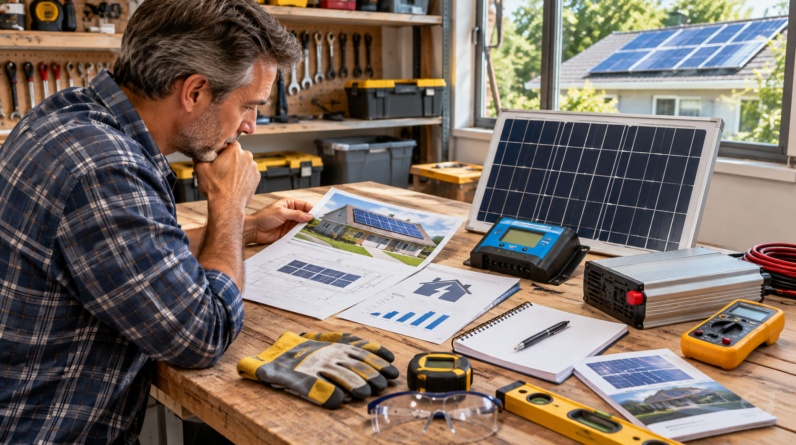
Installing DIY Home Solar Systems can empower homeowners to harness the sun’s energy while reducing electricity costs.
However, building a solar power system involves more than buying a few panels and connecting some wires. You need to understand how the equipment works, calculate your household’s energy needs, choose compatible components, and follow the electrical and building requirements that apply in your area.
This guide explains the main parts of a DIY home solar system, the differences between grid-tied and off-grid installations, potential costs and savings, and the safety issues you should consider before starting.
Understanding the components of DIY Home Solar Systems is essential for ensuring effective energy production.
1. How Does a Home Solar Power System Work?
A residential solar photovoltaic (PV) system converts sunlight into electricity. Solar panels contain photovoltaic cells that generate direct current (DC) electricity when exposed to sunlight.
An inverter converts this DC electricity into alternating current (AC), which is the type of electricity used by most household appliances.
Depending on the system design, the electricity can be used immediately in your home, stored in batteries, or exported to the utility grid when permitted by your utility agreement.
A typical home solar system may include:
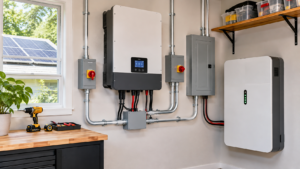
- Solar panels: Capture sunlight and produce DC electricity.
- Inverter: Converts DC electricity into usable AC electricity.
- Mounting equipment: Secures the panels to a roof or ground-mounted structure.
- DIY Home Solar Systems: A valuable investment in renewable energy.
- Electrical protection equipment: Includes the required disconnects, breakers and other safety devices.
- Monitoring equipment: Helps you track electricity production and system performance.
- Solar batteries (optional): Store electricity for later use.
- Charge controller (where required): Regulates charging in battery-based systems.
2. Choose Between a Grid-Tied and an Off-Grid Solar System
Before purchasing equipment, decide how you want your home solar system to operate. The two main options are grid-tied and off-grid systems. A third option combines solar, batteries and a utility connection.
Grid-Tied Solar Systems
A grid-tied system is connected to your local electricity utility. Your solar panels generate electricity during daylight hours, and your home uses the power it needs.
When solar production is insufficient, electricity can be drawn from the utility grid. If your system produces more electricity than your home is using, excess power may be exported to the grid.
Whether you receive a credit or payment for exported electricity depends on your utility’s net-metering or compensation policy. The terms vary by location, so check with your utility before choosing a system.
Most importantly, a standard grid-tied solar system automatically shuts down during a grid outage for safety. It does not normally provide backup electricity unless it has been designed with suitable battery storage and backup equipment.
Off-Grid Solar Systems
An off-grid system operates independently of the utility grid. It is often considered for remote properties where connecting to conventional electricity service is difficult or expensive.
An off-grid system usually needs:
- Solar panels
- A compatible inverter
- A battery bank
- A charge controller, where required
- Appropriate electrical protection equipment
- A backup power plan for extended periods of poor sunlight
Because the system must supply electricity when the sun is not shining, battery capacity and careful energy planning are especially important.
Hybrid Solar Systems
A hybrid system combines solar panels, battery storage and a utility connection. It can use solar electricity during the day, store surplus energy in batteries, and draw electricity from the grid when necessary.
Depending on its design, a hybrid system may also provide backup electricity during an outage.
3. Essential Components for a DIY Solar Power System
Choosing the right equipment is crucial for the success of your DIY Home Solar Systems.
A DIY solar project requires compatible equipment designed to work together. Selecting components based only on price can lead to poor performance, compatibility problems or safety risks.
Solar Panels
Solar panels are the main electricity-generating component. Their output depends on factors such as panel efficiency, sunlight exposure, orientation, shading and local weather conditions.
Before choosing panels, compare their rated power output, physical dimensions, warranties and electrical specifications.
Solar Inverter
The inverter converts the DC electricity produced by the panels into AC electricity for household use.
The inverter must be compatible with the solar array and the intended system configuration. Grid-connected systems require equipment specifically approved for grid-interactive operation.
Solar Batteries
Batteries store electricity for use when solar panels are producing little or no power. They are particularly important for off-grid systems and systems designed to provide backup power.
Battery selection should consider usable capacity, power output, chemistry, operating conditions, warranty and compatibility with the inverter.
Mounting Equipment and Wiring
Solar panels need suitable mounting equipment designed for the roof or ground installation. Wiring, connectors, protective devices and disconnects must also be correctly specified for the system.
Do not treat electrical connectors or mounting hardware as interchangeable. Use components approved for the intended application and installation environment.
4. How to Plan Your Home Solar System
Good planning is one of the most important parts of a solar project. A system that is too small may not meet your needs, while an oversized system can increase the initial investment without delivering worthwhile additional savings.
Use these steps to develop a realistic plan.
Step 1: Review Your Electricity Usage
Start by reviewing your recent electricity bills. Look at your monthly electricity consumption, usually measured in kilowatt-hours (kWh).
Utilizing DIY Home Solar Systems can significantly cut down on energy bills and environmental impact.
Pay attention to seasonal differences. Your household may use more electricity during hot summers or cold winters because of air conditioning, heating and other appliances.
Step 2: Assess Your Roof or Available Space
Consider whether your property has enough suitable space for solar panels.
Important factors include:
- Roof direction and angle
- Shading from trees or nearby buildings
- Roof condition and remaining lifespan
- Available installation space
- Local building and fire requirements
A roof that needs replacement may be better repaired before solar panels are installed.
Ground-mounted systems may be an alternative when the roof is unsuitable and sufficient land is available.
Step 3: Estimate the Required Solar Capacity
Use your electricity consumption and the expected solar production at your property to estimate the system size.
Solar production varies with location, season, weather, panel orientation and shading. A solar calculator or professional site assessment can help develop a more realistic estimate.
Avoid choosing a system based on a general rule about the number of panels required for every home. Household energy needs differ considerably.
Step 4: Decide Whether You Need Battery Storage
A battery may be useful if you want backup power, need to store excess daytime production, or are planning an off-grid system.
However, batteries add equipment and installation costs. Compare the additional cost with the practical value of the backup power or energy storage you need.
Step 5: Check Permits and Utility Requirements
Before purchasing equipment or beginning installation, contact your local building department and electricity utility.
Depending on your location and system design, you may need building permits, electrical permits, inspections, utility approval and permission to connect to the grid.
Never assume that a system can be connected to the utility simply because the equipment has been purchased.
5. How Much Does a DIY Home Solar System Cost?
The cost of a DIY solar system depends on its size, equipment quality, battery requirements, mounting method and the work required to prepare the property.
A small solar setup designed to power selected devices is very different from a whole-home grid-connected system.
The main cost categories include:
- Solar panels
- Inverter and related electronics
- Battery storage, if required
- Mounting structures
- Electrical protection equipment
- Wiring and connectors
- Permits, inspections and professional services
- Possible roof repairs or electrical upgrades
DIY installation may reduce some labor expenses, but it does not eliminate the cost of permits, inspections, approved equipment or professional electrical work.
Rather than relying on old online claims that a complete home system can be built for a fixed low price, obtain current equipment quotes and calculate the full cost of the system you actually need.
6. Can a DIY Solar System Reduce Your Electricity Bills?
A properly designed solar system can reduce the amount of electricity a household purchases from its utility.
The actual savings depend on several factors:
- How much electricity the system generates
- How much solar electricity your household uses directly
- The price you pay for electricity
- The compensation available for excess electricity sent to the grid
- Equipment, installation and maintenance costs
- Financing costs, if applicable
Some homeowners may achieve substantial reductions in their electricity bills, while others may see more modest savings.
Do not assume that solar panels will eliminate your entire electricity bill. Fixed utility charges, grid connection fees and electricity purchased when solar production is low may still apply.
Many factors influence the efficiency of DIY Home Solar Systems; careful planning is key.
7. Can You Sell Excess Solar Electricity Back to the Grid?
Some utilities allow homeowners with approved grid-connected solar systems to export excess electricity.
The arrangement may be called net metering, net billing or an export compensation program. The rules and financial benefits differ between states, utilities and rate plans.
Before installing a grid-connected system, ask your utility:
- Is residential solar interconnection available?
- What equipment and certifications are required?
- How is exported electricity credited?
- Are there limits on system size or export capacity?
- Are additional fees or special rate plans involved?
These details can have a significant effect on the financial value of your solar installation.
8. Can You Combine Solar and Wind Power at Home?
Solar and wind energy can sometimes complement each other in a hybrid renewable energy system.
Solar panels generate electricity from sunlight, while a wind turbine generates electricity when wind conditions are suitable. In some locations, wind generation may help supplement solar production during periods with less sunshine.
However, a wind turbine is not automatically a good addition to every home solar system. Its performance depends on local wind speeds, site conditions, tower height, zoning rules, noise considerations and equipment costs.
Homeowners should assess the available wind resource before investing in a turbine. A small turbine placed in a sheltered or turbulent location may produce much less electricity than expected.
For many households, a well-designed solar system is a more straightforward starting point. Wind power can be evaluated separately if the property has suitable conditions.
9. Important DIY Solar Installation and Safety Considerations
Installing a solar system involves working with electrical equipment, rooftop structures and potentially dangerous DC voltages. Solar panels can continue producing electricity whenever they are exposed to light.
A mistake in system design or installation can cause electric shock, fire, equipment damage, roof leaks or problems with the utility connection.
Before attempting any work:
- Check local permitting and inspection requirements.
- Use equipment that is appropriately certified and approved.
- Follow the manufacturer’s installation instructions.
- Make sure roof structures can support the panels and mounting equipment.
- Use suitable fall protection when working at height.
- Have electrical design and grid interconnection reviewed by qualified professionals.
- Use a licensed electrician where required by local regulations.
- Do not connect a DIY system to household wiring or the utility grid without the required approvals and inspections.
The U.S. Department of Energy recommends working with qualified solar professionals and highlights the importance of meeting local building, fire and electrical codes.
Safety is paramount during the installation of DIY Home Solar Systems to prevent accidents.
DIY does not mean that every part of a solar installation should be completed without professional help. A homeowner can research equipment, compare quotes, monitor performance and undertake suitable non-electrical tasks while leaving regulated or hazardous work to qualified people.
10. Is a DIY Home Solar System Worth Considering?
A DIY solar project may appeal to homeowners who enjoy researching renewable energy, understanding how electrical systems work and managing parts of a project themselves.
It may also be worth exploring for remote properties, small independent systems or selected applications where the system design is relatively straightforward.
However, a whole-home solar installation is a significant electrical project. The potential savings from doing some work yourself should be weighed against equipment compatibility, safety, permits, inspections, warranties and long-term reliability.
For many homeowners, comparing a professionally installed system with a carefully planned DIY approach is the best way to make an informed decision.
Key Takeaways
- Solar panels convert sunlight into DC electricity, which an inverter converts into household AC electricity.
- Grid-tied, off-grid and hybrid systems serve different household needs.
- Batteries are useful for energy storage and backup power but add to system costs.
- Solar system size should be based on actual household electricity consumption and local solar conditions.
- Excess electricity may be exported to the utility grid, but compensation depends on local rules.
- Solar and wind power can complement each other when site conditions are suitable.
- Permits, inspections, electrical safety and utility approval are essential considerations.
- DIY installation should never come at the expense of safety or code compliance.
Frequently Asked Questions
Many homeowners have successfully implemented DIY Home Solar Systems, showcasing their viability.
1. Can I build my own solar power system for my home?
It is possible to plan and purchase equipment for a DIY solar system. However, grid-connected installations and electrical work are subject to local codes, permits, inspections and utility requirements. Qualified professional assistance may be necessary.
2. What components do I need for a home solar system?
A typical system includes solar panels, an inverter, mounting equipment, wiring and electrical protection devices. Battery storage and a charge controller may also be needed, depending on the system design.
3. Is an off-grid solar system better than a grid-tied system?
Neither option is best for every household. Grid-tied systems can draw electricity from the utility when solar production is insufficient. Off-grid systems operate independently but need adequate storage and backup planning.
4. Do I need batteries for a home solar system?
Not necessarily. Many grid-tied systems operate without batteries. Batteries are useful when you want to store excess electricity, provide backup power or operate independently of the utility grid.
5. Can solar panels power an entire house?
They can generate enough electricity to cover some or all of a home’s energy consumption over a given period, depending on system size, location, weather and household usage. The home may still need grid electricity or battery storage when solar production is low.
6. Can I sell excess electricity from my solar panels?
Some utilities compensate homeowners for electricity exported to the grid. The payment or credit depends on the local utility’s interconnection and compensation policies.
7. Can I combine a home solar system with a wind turbine?
Yes, a properly designed hybrid system can combine solar panels and wind generation. Whether this is worthwhile depends on the property’s wind conditions, equipment costs and local requirements.
8. How long do residential solar panels last?
Solar panels are designed for long-term outdoor use, and many manufacturers provide performance warranties lasting around 25 years or more. Actual service life and output depend on product quality, installation and environmental conditions.
9. Will solar panels work during a power outage?
A standard grid-tied solar system normally shuts down during a utility outage. A system designed with suitable battery storage and backup equipment can provide electricity to selected household circuits during an outage.
Consider the benefits of DIY Home Solar Systems, especially during power outages.
10. Should I install a DIY solar system myself?
That depends on your skills, the system design and local regulations. Researching and planning a project may be suitable for a homeowner, but rooftop work, electrical connections and utility interconnection can require qualified professionals.
Related Resources
Explore how DIY Home Solar Systems can enhance energy independence for homeowners.
Explore more guides from The Benefits of Solar Power:
- Solar Basics & Technology – Learn how solar panels convert sunlight into electricity and how residential solar systems operate.
- Residential Solar – Discover how to evaluate solar panels for your home and plan a residential installation.
- Solar Costs & Savings – Understand the costs of solar equipment, installation and potential electricity savings.
- Solar Batteries & Energy Storage – Learn how batteries store solar electricity and provide backup power.
- Solar Panel Maintenance & Performance – Discover how to care for solar panels and monitor system performance.
Final Thoughts
Building a home solar power system can be an interesting way to understand renewable energy and explore greater control over household electricity production.
The best starting point is not buying the cheapest solar panels or following an online DIY package. It is understanding your energy needs, assessing your property, comparing suitable equipment and checking the rules that apply where you live.
With careful planning and the right professional support, homeowners can make better decisions about whether a DIY, professionally installed or hybrid solar solution is the right choice for their property.