Mining Materials for Solar Panels: Environmental Effects Explained
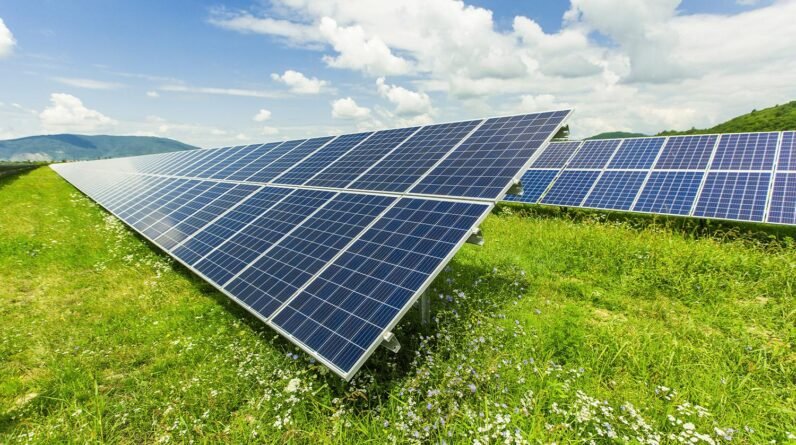
Solar panels generate renewable electricity without burning fossil fuels during normal operation. However, producing them requires raw materials that must be extracted from the Earth, processed and transported before they become part of a finished photovoltaic system.
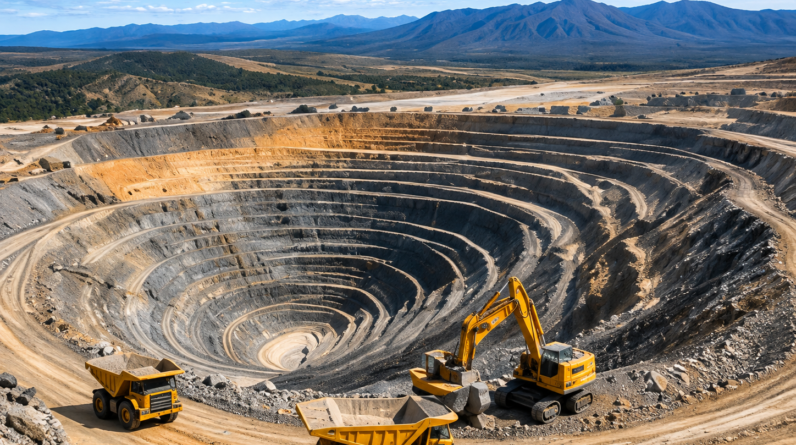
Mining for materials used in solar panels can affect land, water, soil, ecosystems and nearby communities. These impacts are not always visible to the people who eventually use the electricity generated by the panels, but they are an important part of the solar supply chain.
The materials involved vary according to the photovoltaic technology. Conventional crystalline-silicon panels use materials such as silicon, aluminium, copper and silver, while certain thin-film technologies require other semiconductor materials.
So, what happens when these resources are mined? Which environmental problems can arise, and how can the solar industry reduce the impact of mineral extraction?
This guide examines the environmental effects of mining materials for solar panels, from land disturbance and water pollution to biodiversity, mining waste and responsible sourcing.
1. Which materials used in solar panels come from mining?
Solar panels are made from several materials with different origins and supply chains. Many are obtained through mining, quarrying or other forms of raw material extraction.
Some of the main materials include:
- Silicon: Derived from silica-rich materials such as quartz, which are mined or quarried before further processing.
- Aluminium: Produced from bauxite ore, which is mined and refined into alumina before aluminium metal is produced.
- Copper: Extracted from copper ores and used in electrical connections, wiring and supporting equipment.
- Silver: A valuable metal used in electrical contacts in many conventional silicon solar cells.
- Tin: Used in certain electrical connections and soldering applications.
- Zinc: Used in some metal coatings and components, and also appears as an important material in broader photovoltaic supply-chain assessments.
Thin-film solar technologies have different material requirements. For example, cadmium telluride (CdTe) modules use cadmium and tellurium, while copper indium gallium diselenide (CIGS) technology uses copper, indium, gallium and selenium.
Not every material is used in every panel. The exact composition depends on the technology, module design and supporting equipment.
The U.S. Department of Energy explains the different supply chains for crystalline-silicon and CdTe photovoltaic systems in its Solar Photovoltaics Supply Chain Review Report.
For a material-by-material explanation, read Solar Panel Materials and Environmental Impact.
2. Land disturbance and habitat destruction
Mining operations require land for extraction, processing facilities, roads, waste storage and supporting infrastructure. Depending on the mineral and mining method, these activities can change large areas of the surrounding landscape.
Potential environmental effects include:
- Removal of natural vegetation.
- Loss or fragmentation of wildlife habitats.
- Changes to natural drainage patterns.
- Disturbance of soils and geological formations.
- Increased erosion in areas where vegetation has been removed.
- Pressure on ecosystems near mining and processing facilities.
The scale of the impact depends on the location, size and design of the operation. A mine developed in an already disturbed industrial area can have a different environmental footprint from one established in a relatively intact ecosystem.
Mining can also create indirect impacts through new access roads, transport corridors and associated development.
These effects are not exclusive to solar technology. Metals and minerals are also required for electricity networks, vehicles, buildings, electronics and conventional energy infrastructure. However, increased demand for solar equipment makes responsible resource extraction an important part of the energy transition.
3. Water consumption during mining and mineral processing
Water is used in many mining and mineral-processing operations. It can be required for mineral separation, washing, dust suppression, cooling and other industrial activities.
The amount of water required varies considerably according to the mineral, extraction method, ore characteristics, processing technology and local conditions.
Mining-related water impacts can include:
- Pressure on local supplies: Water demand can compete with household, agricultural and ecological needs, particularly in water-stressed regions.
- Changes to groundwater: Some mining operations require dewatering, which can affect groundwater levels.
- Water contamination: Poorly managed mine waste or processing chemicals can affect nearby water resources.
- Wastewater management: Process water needs appropriate treatment and monitoring before reuse or discharge.
Water consumption should therefore be evaluated in its local context. The same volume of water use may create very different pressures depending on water availability, seasonal conditions and the needs of nearby communities and ecosystems.
The European Commission’s Joint Research Centre explains that mining’s impact on water depends on factors including water requirements, reuse, treatment and local availability.
4. Soil erosion and changes to soil quality
Mining can remove vegetation and disturb the ground, exposing soil and loose material to wind and rainfall.
These changes can increase erosion and alter the way water moves through the landscape.
Potential consequences include:
- Loss of fertile topsoil.
- Increased sediment entering streams and rivers.
- Changes to natural drainage and runoff.
- Damage to vegetation and nearby habitats.
- Long-term challenges when restoring disturbed land.
Some mining sites can be rehabilitated after extraction, but restoring the original ecological conditions may be difficult. The success of rehabilitation depends on the original ecosystem, soil characteristics, mining methods and long-term management.
Proper erosion control, progressive rehabilitation and responsible waste storage can help reduce these impacts.
5. Mining waste, tailings and pollution risks
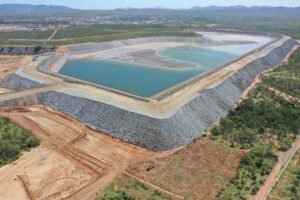
Mining produces more than the useful minerals that eventually enter solar panel supply chains. Extracting and processing ores can generate large quantities of waste rock, tailings and other residues.
Tailings are the materials left over after valuable minerals have been separated from the mined ore. They may contain fine particles and substances that require careful storage and management.
Potential environmental risks include:
- Dust from exposed waste materials.
- Contamination of surface water or groundwater.
- Release of metals or processing residues.
- Acid mine drainage where suitable geological and chemical conditions exist.
- Risks associated with poorly managed tailings storage facilities.
Acid mine drainage can occur when certain sulphide minerals are exposed to air and water, producing acidic drainage that may mobilise metals. It is a recognised risk at some mining sites, but it does not occur at every mine.
Appropriate waste characterisation, containment, water treatment, monitoring and closure planning are important safeguards.
The International Energy Agency identifies water, greenhouse gas emissions, biodiversity, human rights and community impacts as important areas in responsible critical-mineral supply chains.
6. Biodiversity loss and wildlife impacts
Mining can affect wildlife directly through habitat removal and indirectly through noise, traffic, dust, water changes and infrastructure development.
When mining operations are located near sensitive ecosystems, the effects can extend beyond the physical extraction site.
Potential biodiversity impacts include:
- Loss of feeding and breeding habitats.
- Fragmentation of wildlife movement corridors.
- Changes to local vegetation communities.
- Disturbance from noise, lighting and vehicle movement.
- Changes in water quality or availability.
The risk is not identical for every mineral or mining location. It depends on the ecological sensitivity of the site, the extraction method and the effectiveness of environmental protections.
Responsible mine planning should identify important habitats before development begins and consider avoidance, minimisation, restoration and long-term monitoring measures.
7. Greenhouse gas emissions from mineral extraction
Mining and processing minerals require machinery, electricity, transport and industrial equipment. These activities can generate greenhouse gas emissions.
Emissions may arise from:
- Diesel-powered mining equipment and vehicles.
- Electricity used in extraction and processing facilities.
- Crushing, grinding and refining operations.
- Transporting ore, concentrates and refined materials.
- Producing metals and other components used in solar systems.
The emissions associated with a particular material depend on factors such as ore grade, mining method, processing requirements, electricity supply and transport distance.
These upstream emissions contribute to the lifecycle carbon footprint of solar equipment. They do not mean that solar panels produce the same emissions as fossil-fuel power plants during operation.
Research into the U.S. solar photovoltaic supply chain has assessed emissions from materials, manufacturing, logistics and installation. It demonstrates why the full supply chain needs to be included when evaluating solar electricity.
For a detailed comparison of electricity emissions, see Solar Panels Carbon Footprint: How It Compares With Fossil Fuels.
8. Mineral supply chains and pressure on natural resources
As solar installations expand, demand for some materials used in photovoltaic systems may also increase. The scale of future demand depends on deployment rates, technology choices, material efficiency and recycling.
An important recent assessment is the IEA PVPS report Primary and Secondary Material Flows for the Future Global Deployment of Silicon-based Photovoltaic Systems, published in September 2026.
The report models solar deployment scenarios ranging from 29 to 75 terawatts by 2050 and examines nine materials: aluminium, copper, indium, lead, silicon, silver, gold, tin and zinc.
Its findings highlight several important considerations:
- Future solar deployment is a major driver of material demand.
- Technology choices and material efficiency can influence how much primary material is needed.
- Substituting copper-based metallisation for silver could reduce future silver demand.
- Recovering materials from retired solar panels could provide an important secondary supply.
These are modelled scenarios, not predictions that every projected demand level will occur. They show why material planning and recycling are relevant to the long-term sustainability of solar energy.
9. Mining impacts differ between solar technologies
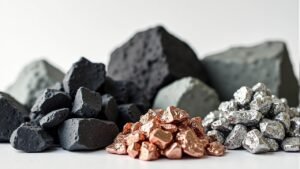
It is important to distinguish between different photovoltaic technologies when discussing mineral extraction.
Crystalline-silicon solar panels
Conventional crystalline-silicon modules use silicon, glass, aluminium and electrical materials such as copper and silver. Their supply chain includes quartz-derived silicon production and the extraction and processing of several metals.
Cadmium telluride thin-film panels
CdTe modules use cadmium and tellurium as semiconductor materials. The U.S. Department of Energy explains that these materials are obtained as by-products of other metal-mining activities, including zinc and copper production.
Copper indium gallium diselenide panels
CIGS technology uses copper, indium, gallium and selenium. The supply and environmental implications of these materials differ from those associated with conventional silicon modules.
There is no single mining-impact profile that applies to every solar panel. A meaningful comparison needs to consider the actual materials, quantities, extraction methods, processing requirements and recycling pathways for each technology.
10. How responsible mining can reduce environmental damage
Mining impacts cannot always be eliminated, but they can be reduced through responsible site selection, stronger environmental management and better resource efficiency.
Choose mining sites carefully
Environmental assessments should identify sensitive habitats, water resources and nearby communities before a project is approved. Avoiding particularly sensitive locations can prevent some impacts altogether.
Manage water responsibly
Mining operators can improve water efficiency, reuse suitable process water, treat wastewater and monitor surface water and groundwater.
Control mine waste and tailings
Proper waste characterisation, engineered storage, monitoring and closure plans can reduce the risk of pollution from mining residues.
Reduce emissions from extraction and processing
Improving equipment efficiency, electrifying suitable machinery and using lower-carbon electricity can help reduce greenhouse gas emissions from mining operations.
Restore disturbed land
Progressive rehabilitation, erosion control and native vegetation restoration can help recover some of the ecological functions affected by extraction.
Improve supply-chain transparency
Companies can assess suppliers, disclose material origins where possible and strengthen environmental and social safeguards throughout their supply chains.
11. Can recycling reduce the need to mine new materials?
Recycling can reduce demand for newly extracted materials by recovering useful resources from retired solar panels and other products.
Solar panels contain materials that may be recovered, including aluminium, glass, copper, silver and silicon. Some materials can be recovered through established industrial processes, while others require more specialised treatment.
Recycling is not an immediate replacement for mining because the volume of retired panels depends on the age and deployment history of installed systems. However, as more solar installations reach the end of their useful lives, recovered materials could become a more important source of supply.
The September 2026 IEA PVPS material-flow report highlights the potential contribution of secondary materials from retired photovoltaic systems. Its analysis suggests that recovering silver from end-of-life modules could provide a substantial share of future cumulative PV-sector silver demand under the modelled scenarios.
Material recovery can help reduce pressure on primary resources, but it requires effective collection systems, appropriate processing facilities and economically viable recycling routes.
Read our guide to solar panel lifecycle impacts, including disposal and recycling.
12. Does mining for solar panels make solar energy unsustainable?
Mining for solar panel materials creates genuine environmental challenges. Land disturbance, water use, mine waste, emissions and biodiversity impacts should not be ignored.
However, these impacts need to be considered in the context of the entire energy system.
Solar technology requires materials to build equipment, but fossil-fuel electricity also depends on continuous fuel extraction, processing and transportation throughout the life of a power station. The types and scale of environmental impacts differ, so comparisons need to use a consistent lifecycle approach.
Solar photovoltaic systems generally have much lower lifecycle greenhouse gas emissions than fossil-fuel electricity. At the same time, the industry must improve material efficiency, responsible sourcing, mining standards and recycling to limit the environmental pressures associated with expansion.
The goal is not to claim that solar energy has no environmental footprint. It is to make the supply chain more responsible while retaining the climate and air-quality benefits of generating electricity from sunlight.
Frequently Asked Questions
What materials are mined for solar panels?
Materials used in solar photovoltaic systems include silicon-derived materials, aluminium, copper, silver, tin and zinc. Certain thin-film technologies also use materials such as cadmium, tellurium, indium and gallium. The exact requirements depend on the panel technology.
Does mining for solar panels damage the environment?
Mining can disturb land, remove vegetation, affect wildlife habitats, consume water and generate waste. The scale of the impact depends on the mineral, extraction method, location and environmental management practices.
Do solar panels require rare earth minerals?
Conventional crystalline-silicon solar panels do not generally require rare earth elements as their main semiconductor materials. They use materials such as silicon, glass, aluminium, copper and silver. Other parts of an energy system may have different mineral requirements.
Does solar panel production require lithium?
Conventional solar photovoltaic panels do not require lithium as a standard panel material. Lithium is primarily associated with certain rechargeable battery technologies used for energy storage, which may be installed alongside solar systems.
Which solar panel materials have the greatest mining impacts?
There is no universal ranking. Mining impacts depend on the amount of material required, ore grade, extraction and processing methods, location and environmental controls. Large-volume materials and materials with intensive processing requirements can contribute significantly to total impacts.
Can mining for solar materials pollute water?
Yes. Poorly managed mining waste, tailings or processing residues can affect water quality. Some mining operations can also put pressure on local water supplies through extraction and processing demand.
Does mining for solar panels cause deforestation?
Mining can require vegetation clearance and may contribute to habitat loss or fragmentation. Whether deforestation occurs depends on the location and the land cover present before development.
Can solar panel materials be recycled instead of mined?
Some materials, including aluminium, glass, copper, silver and silicon, can be recovered from retired panels. Recycling can reduce the need for virgin materials, although collection rates and recovery economics remain important limitations.
Are mining impacts included in the carbon footprint of solar panels?
Yes. Lifecycle assessments can include emissions associated with raw material extraction, processing, manufacturing, transportation, installation and end-of-life management.
How can the solar industry reduce mining-related environmental impacts?
It can support responsible sourcing, better mine planning, water management, waste controls, habitat protection, lower-emissions processing, material efficiency and recycling.
Key Takeaways
- Solar photovoltaic systems depend on raw materials obtained through mining, quarrying and other extraction activities.
- Common materials include silicon, aluminium, copper and silver, while thin-film technologies use different semiconductor materials.
- Mining can affect land, habitats, soil, water quality and nearby communities.
- Waste rock and tailings require careful management to reduce pollution risks.
- Mining and mineral processing also contribute to the lifecycle greenhouse gas emissions of solar equipment.
- Future material demand depends on solar deployment, technology choices, material efficiency and recycling.
- Responsible mining and stronger recycling systems can help reduce the environmental footprint of solar energy.
Related Resources
- Solar Panel Materials and Environmental Impact
- Solar Panel Manufacturing and Environmental Impact
- Hidden Environmental Costs of Solar Energy
- Environmental Impact of Solar Energy: From Manufacturing to Recycling
- Negative Environmental Effects of Solar Energy
- Solar Panels Carbon Footprint: How It Compares With Fossil Fuels
Further Reading and Sources
- U.S. Department of Energy – Solar Photovoltaics Supply Chain Review Report
- IEA PVPS (September 2026) – Primary and Secondary Material Flows for the Future Global Deployment of Silicon-Based Photovoltaic Systems
- International Energy Agency – Sustainable and Responsible Critical Mineral Supply Chains
- European Commission Joint Research Centre – Environmental Impacts Along the Supply Chain
- PBL Netherlands Environmental Assessment Agency – Environmental Impacts of Extraction and Processing of Raw Materials for the Energy Transition
- Gan et al. (2023) – Greenhouse Gas Emissions Embodied in the U.S. Solar Photovoltaic Supply Chain