Solar Well Pumps: Benefits, Costs & How They Work
Solar-powered well pumps offer a practical way to move water without depending entirely on electricity from the utility grid. They can be especially useful for rural homes, farms, livestock operations and properties where extending power lines to a well would be expensive.
Solar well pumps are an ideal solution for those looking to harness renewable energy for water access. Utilizing solar well pumps can significantly reduce water costs and enhance sustainability.
By using electricity generated by solar panels, these systems can pump water from wells, boreholes and other water sources into a storage tank or directly to a point of use.
With solar well pumps, users can enjoy the benefits of a reliable water supply without the fluctuations associated with grid electricity.
However, installing a solar well pump involves more than simply connecting a few solar panels to a pump. The system must be properly sized to match the water demand, well depth, pumping requirements and sunlight available at the property.
Properly sizing solar well pumps ensures optimal performance, tailored to your specific water needs and environmental conditions.
In this guide, you’ll discover how solar well pumps work, their main benefits, what to consider before installation and how to maintain a system over time.
Understanding the mechanics behind solar well pumps can help you maximize their efficiency and longevity.
What Is a Solar-Powered Well Pump?
A solar-powered well pump is a water-pumping system that uses electricity generated by solar photovoltaic (PV) panels.
Solar well pumps operate seamlessly in diverse environments, making them a versatile choice for various applications.
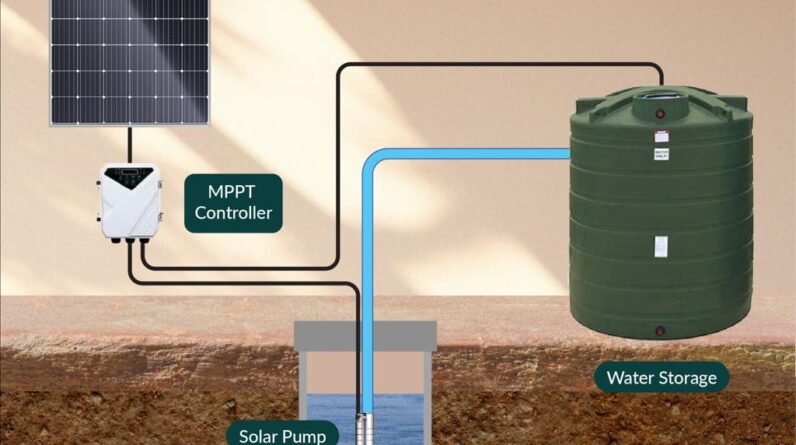
The panels convert sunlight into electrical energy, which powers a pump designed to move water from a well or another water source. A controller manages the electrical supply and helps the pump operate within its required specifications.
Depending on the installation, the system can deliver water to a storage tank, livestock trough, irrigation system or household water supply.
Solar well pumps are particularly useful in locations where access to utility electricity is limited or expensive. They can also reduce the amount of electricity a property needs to purchase from the grid.
Homeowners can appreciate the eco-friendly aspect of solar well pumps, contributing to a decrease in carbon footprint.
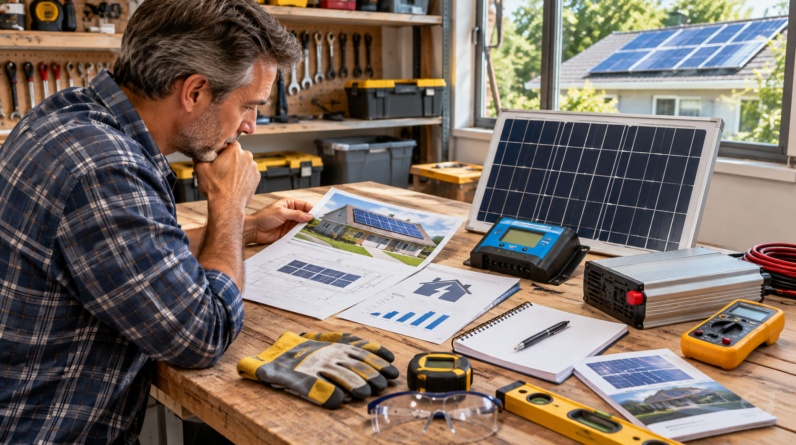
Image 1 – Solar-powered well pump system
How Does a Solar Well Pump Work?
The technology behind solar well pumps has advanced significantly, leading to greater reliability and efficiency in water delivery.
A solar water pumping system uses several components that work together to move water from its source to the required destination.
The basic process is straightforward:
- Solar panels receive sunlight and generate DC electricity.
- A pump controller regulates the electricity supplied to the pump.
- The pump draws water from the well or water source.
- Water travels through pipes to a storage tank or delivery point.
- Stored water can then be used when the pump is not operating.
Some systems use batteries to store electricity. However, batteries are not always necessary. In many installations, storing water in a tank or reservoir is a practical way to provide water when sunlight is limited or the pump is not operating.
The main components generally include:
- Solar panels: Generate electricity from sunlight.
- Pump controller: Regulates power and manages pump operation.
- Water pump: Moves water from the well or source.
- Pipes and fittings: Transport water to the required location.
- Storage tank or reservoir: Holds water for later use.Many agricultural operations benefit from solar well pumps, providing consistent water supply for crops and livestock.
- Control switches and sensors: Help manage water levels and protect the pump.
The exact equipment depends on the depth of the well, required water volume and system design.
10 Benefits of Installing a Solar Well Pump
1. Pump Water in Remote Locations
One of the biggest advantages of solar well pumps is their usefulness in locations without convenient access to utility electricity.
Rural properties, farms and remote buildings may be located far from existing power lines. Connecting a conventional electric pump to the grid can require extensive wiring, trenching and additional infrastructure.
A solar-powered pumping system can provide another option by generating electricity at the property itself.
This makes solar pumping worth considering for remote wells, livestock watering points, agricultural properties and off-grid applications.
Choosing solar well pumps means investing in a sustainable future, reducing reliance on fossil fuels.
2. Reduce Dependence on Grid Electricity
Conventional electric well pumps rely on electricity supplied by a utility company.
A solar-powered system generates some or all of the electricity needed for pumping directly from sunlight. This can reduce dependence on grid electricity and help property owners manage their energy consumption.
The amount of electricity saved depends on the pump’s power requirements, how frequently it operates and how much water needs to be delivered.
Solar well pumps can significantly enhance energy independence for property owners, particularly in remote locations.
A properly designed system can be particularly attractive where grid electricity is expensive or unavailable.
3. Lower Ongoing Electricity Expenses
Once installed, solar panels generate electricity without requiring the purchase of fuel.
This can reduce the operating expenses associated with pumping water, particularly for properties that require frequent pumping.
However, solar well pumps are not completely cost-free to operate. Owners should account for the initial equipment and installation expenses, inspections, repairs and eventual replacement of components.
The financial benefit depends on the cost of the alternative water-pumping system, local electricity prices, sunlight conditions and the amount of water required.
4. Take Advantage of Renewable Energy
Solar energy is a renewable resource. Using it to pump water can reduce reliance on electricity generated from fossil fuels.
Solar panels produce electricity without directly burning coal, oil or natural gas during operation.
For property owners interested in reducing their environmental impact, solar-powered water pumping can be one practical application of renewable energy.
The overall environmental benefits also depend on equipment manufacturing, transportation, installation and eventual disposal.
5. Support Livestock Watering and Agricultural Activities
Solar water pumping is particularly useful for agricultural applications.
Farmers and livestock owners may need to deliver water to locations where installing conventional electrical infrastructure is difficult or expensive.
A solar-powered pump can move water from a well or suitable surface-water source into livestock troughs, storage tanks or irrigation systems.
Utilizing solar well pumps for irrigation can lead to healthier crops and improved agricultural yields.
The system must be designed around the actual water demand. Livestock numbers, seasonal changes, well capacity and the distance water must travel all influence the required pump size.
6. Store Water for Cloudy Days and Nighttime Use
Solar panels generate electricity when sunlight is available. Consequently, a basic solar pumping system may produce less water during cloudy periods and may stop pumping after sunset.
Water storage can help address this limitation.
A properly sized storage tank or reservoir allows the system to pump water when solar energy is available and retain it for later use.
For some applications, storing water is more practical than installing batteries to store electricity. Battery storage can still be useful in situations where the system requires pumping outside daylight hours.
The appropriate storage capacity depends on daily water consumption, local weather conditions and the availability of backup water supplies.
7. Flexible System Design
Solar well pumping systems can be designed for different applications.
A small system may supply water to a remote livestock trough, while a larger installation may support agricultural operations or a household water supply.
The adaptability of solar well pumps allows for customization based on the specific needs of each property.
The system can include different pump types, solar panel configurations, controllers, storage tanks and other components.
This flexibility allows the equipment to be selected according to the property’s water requirements rather than relying on a one-size-fits-all solution.
8. Reduce the Need for New Electrical Infrastructure
Extending utility electricity to a remote well can involve substantial infrastructure work.
Depending on the distance and site conditions, the property owner may need to pay for trenching, cables, electrical equipment and professional installation.
With solar well pumps, the initial investment can lead to long-term financial savings by eliminating electricity costs.
A solar pumping system can avoid some of these requirements because the electricity is generated near the water source.
This does not mean every solar system will be cheaper. The total installation costs should be compared with the cost of connecting a conventional pump to the grid.
9. Modular Systems Can Be Adapted to Changing Needs
Some solar water pumping systems allow individual components to be upgraded or replaced.
For example, a property owner may need a different pump if water demand increases. Additional solar panels or a larger storage tank may also be required, depending on the system design.
However, upgrades must remain compatible with the pump controller, electrical specifications and other equipment.
Before expanding an existing system, consult the manufacturer or a qualified solar pumping installer.
10. Potentially Simple Long-Term Operation
Regular maintenance of solar well pumps ensures their longevity and efficiency, keeping your water supply reliable.
Solar well pumps have relatively straightforward operating principles, and many systems are designed to operate automatically.
Depending on the equipment, controls may monitor water levels, prevent dry running and switch the pump on or off when required.
Although solar panels generally require limited routine attention, the complete system still needs periodic inspection.
Pipes, electrical connections, controllers, pumps, filters and storage tanks can all require maintenance.
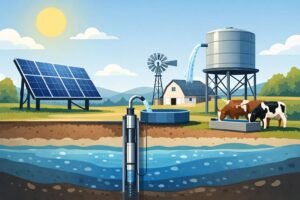
Image 2 – Solar water pumping for agricultural use
What Should You Consider Before Installing a Solar Well Pump?
Choosing the correct equipment is one of the most important parts of a successful installation.
A system that is too small may not deliver enough water, while an unnecessarily large system can increase the initial investment.
Consider the following factors before purchasing equipment.
1. Daily Water Requirements
Start by estimating how much water the property needs each day.
A household, livestock operation and irrigation system can have very different water requirements.
Consider:
Solar well pumps can adapt to varying water needs, ensuring a consistent supply regardless of changing conditions.
- The number of people or animals using the water.
- Household water consumption.
- Irrigation requirements.
- Seasonal changes in demand.
- The amount of water required during particularly dry periods.
The pump should be selected to meet realistic daily requirements rather than an approximate guess.
2. Well Depth and Water Level
The depth of the well affects the amount of work required to move water.
However, the total pumping requirement is not determined by the well’s total depth alone. The water level, changes in water level while pumping, delivery height and pipe friction also matter.
A qualified installer should assess these factors before recommending a pump.
3. Available Sunlight
Solar panel output depends on the solar energy available at the installation site.
Trees, buildings, nearby structures, roof orientation, shading and seasonal changes can all affect electricity production.
A site assessment can help determine whether the available sunlight is sufficient for the intended pumping schedule.
The energy produced from solar well pumps can greatly enhance sustainable water management practices.
4. Pump Capacity and Flow Rate
The pump must deliver the required volume of water within the available operating hours.
Important specifications include:
- Required flow rate, usually measured in gallons per minute.
- Total dynamic head.
- Pump power requirements.
- Pump operating voltage.
- Manufacturer performance curves.
Total dynamic head accounts for the vertical lift, friction losses in the pipework and any pressure required at the delivery point.
Choosing a pump based only on its advertised horsepower or maximum depth can result in an unsuitable system.
5. Water Storage Requirements
Think about how much water needs to remain available when the pump is not operating.
A storage tank can provide a reserve for nighttime use, cloudy weather or temporary equipment problems.
Some agricultural guidance uses approximately three days of water storage as a starting point, but the appropriate amount varies according to the application and local conditions.
The tank should be sized according to actual water demand and the reliability required.
6. Installation and Electrical Safety
Safety is paramount; ensuring proper installation of solar well pumps can prevent future issues.
Solar pumping equipment must be installed according to the manufacturer’s specifications and applicable electrical and water-system regulations.
Incorrect wiring, unsuitable equipment combinations or poor installation can damage the system and create safety risks.
For deep wells, complex electrical systems or household drinking-water supplies, use appropriately qualified professionals.
How Much Does a Solar Well Pump System Cost?
The cost of a solar-powered well pump varies considerably from one property to another.
There is no reliable single price that applies to every installation.
A small pump for a shallow water source may require a relatively modest system, while a deep well supplying a household or agricultural operation may need more powerful equipment and a larger solar array.
The main cost factors include:
- Solar panel capacity and quantity.
- Pump type and pumping capacity.
- Well depth and total dynamic head.
- Controller and electrical equipment.
- Water storage tanks or reservoirs.Investing in solar well pumps is a step towards a modern, energy-efficient lifestyle.
- Pipes, fittings and other materials.
- Installation labor and site preparation.
- Battery storage, if required.
- Maintenance and future replacement costs.
The best way to estimate the investment is to obtain quotes based on the actual well characteristics and daily water requirements.
When comparing proposals, look beyond the initial purchase price. Check the expected water output, equipment specifications, warranty, installation requirements and ongoing maintenance costs.
Do Solar Well Pumps Work at Night?
Solar panels do not generate electricity from sunlight after dark.
A basic solar pumping system without energy storage will generally stop pumping when the available solar power becomes insufficient.
Understanding the mechanics of solar well pumps can empower users to troubleshoot and maintain their systems effectively.
However, water can still be available at night if the system has pumped enough water into a storage tank or reservoir during the day.
Battery storage is another option. Batteries can store electricity generated by the solar panels and supply power to the pump when sunlight is unavailable.
For many water-pumping applications, storing the water itself can be a simpler alternative to storing electricity. The best arrangement depends on the required pumping schedule and the property’s water demand.
How to Maintain a Solar Well Pump System
Solar-powered water pumping systems still need regular attention to maintain reliable operation.
A practical maintenance routine should include the following checks.
Keep Solar Panels Clean
Dust, leaves, dirt and other debris can reduce the amount of sunlight reaching the solar cells.
Keeping solar well pumps in top condition is essential for optimal performance and reliability.
Inspect the panels periodically and clean them when necessary, following the manufacturer’s instructions.
Inspect Electrical Connections
Check accessible cables, connectors and protective equipment for visible damage, corrosion or loose connections.
Electrical repairs should be handled by a qualified professional.
Check the Pump and Controller
Monitor the pump’s operation and check for unusual noise, reduced water output, warning lights or controller faults.
Monitoring your solar well pumps can help catch issues early, ensuring consistent water delivery.
A sudden reduction in pumping performance may indicate a problem with the pump, power supply, water source or pipework.
Inspect Pipes and Water Storage
Look for leaks, damaged pipes, blocked filters and signs of corrosion.
Storage tanks should also be checked for contamination, sediment buildup, algae and malfunctioning float switches.
Monitor Water Output
Keep track of how much water the system delivers.
A noticeable change in flow rate can indicate a developing problem, such as a change in the well’s water level, a blocked pipe or a pump fault.
Follow the equipment manufacturer’s maintenance schedule and arrange professional inspections when necessary.
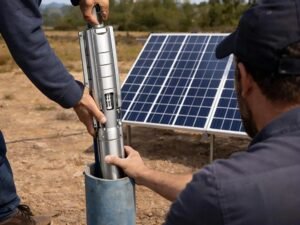
Image 3 – Inspecting and maintaining a solar water pump
Is a Solar Well Pump Right for Your Property?
Proper evaluation of your needs will help determine if solar well pumps are the best fit for your property.
A solar-powered well pump can be a useful solution if you need a dependable water supply in a rural, remote or off-grid location.
It may be particularly attractive when extending utility electricity to the well is expensive, when water is needed for livestock or irrigation, or when reducing grid electricity consumption is a priority.
However, solar pumping is not automatically the best solution for every property.
Before investing, compare the cost of a solar system with a conventional electric pump, assess the available sunlight and establish how much water you need throughout the year.
Most importantly, have the well and pumping requirements assessed before selecting equipment.
A properly designed system can provide a practical way to use renewable energy for water pumping while reducing dependence on conventional electricity.
Frequently Asked Questions About Solar Well Pumps
1. Can solar panels run a well pump?
Yes. Solar panels can generate electricity to operate a compatible well pump. The system usually includes a pump controller and may also include a water storage tank or battery system.
Many systems are designed specifically to enhance the efficiency of solar well pumps, making installation straightforward.
2. Can a solar well pump work without batteries?
Yes. Many solar water pumping systems operate directly from solar panels without batteries. Water can be pumped during daylight hours and stored in a tank for later use.
3. Can solar power pump water from a deep well?
Yes, provided the system is designed for the required pumping depth and water volume. The pump must be selected according to the total dynamic head, flow rate and available solar power.
4. Will a solar well pump work on cloudy days?
It may continue operating when some sunlight is available, but its output can decrease. A water storage tank or appropriately designed backup system can help maintain water availability during periods of reduced sunlight.
5. How many solar panels are needed to run a well pump?
There is no universal number. The required solar array depends on the pump’s electrical requirements, daily water demand, well depth, available sunlight and the number of hours available for pumping.
6. Can a solar well pump supply water to a house?
Yes. A properly sized system can supply water for household use. The design must account for household demand, well characteristics, water storage, pressure requirements and any applicable drinking-water regulations.
7. Are solar well pumps expensive to maintain?
Maintenance costs depend on the equipment, installation and operating conditions. Solar panels generally require limited routine maintenance, but pumps, controllers, electrical connections, pipes and storage tanks still need inspection.
8. Is a solar well pump worth the investment?
Solar well pumps not only contribute to cost savings but also promote environmental sustainability.
It can be worthwhile when the cost of extending grid electricity is high or when a property has substantial water-pumping requirements. The financial case depends on the system cost, alternative electricity costs, available sunlight and expected water demand.
Key Takeaways
- Solar well pumps use photovoltaic panels to generate electricity for water pumping.
- They can be useful for rural homes, farms, livestock operations and off-grid properties.
- Correct pump sizing depends on daily water demand, well characteristics, flow rate and total dynamic head.
- Water storage can provide a reserve for nighttime and cloudy conditions.Investing in solar well pumps could lead to significant long-term financial benefits due to reduced operational costs.
- Batteries are optional in many solar water pumping systems.
- Installation costs vary according to the well, equipment and site requirements.
- Regular inspections help maintain reliable operation.
Related Resources
Explore additional resources to learn about optimizing your solar well pumps for maximum efficiency.
Explore more guides about solar energy and how it can be used around your home or property:
- Solar Basics & Technology
- Solar Panels for Homes
- Solar Batteries & Energy Storage
- Solar Costs & Savings
- Solar Panel Maintenance & Performance