
Economic Benefits of Solar Energy
For many homeowners, the decision to go solar is about more than producing clean electricity. It is also a financial decision. A well-designed solar panel system can reduce the amount of electricity a household buys from its utility, make part of its energy costs more predictable and, in some circumstances, contribute to a home’s resale appeal.
The economic benefits of solar energy extend beyond just household savings; they include environmental advantages and the promotion of sustainable energy practices.
However, solar is not automatically a money-saving investment for every property. The financial outcome depends on the installation price, available sunlight, electricity rates, utility compensation rules, financing terms and how much of the solar electricity a household uses.
In this guide, we explore the main economic benefits of solar energy for homeowners in the United States, along with the costs and practical details that should be considered before making a decision.
Understanding the economic benefits of solar energy helps homeowners make informed choices about their energy future.
1. Solar Panels Can Reduce Monthly Electricity Bills
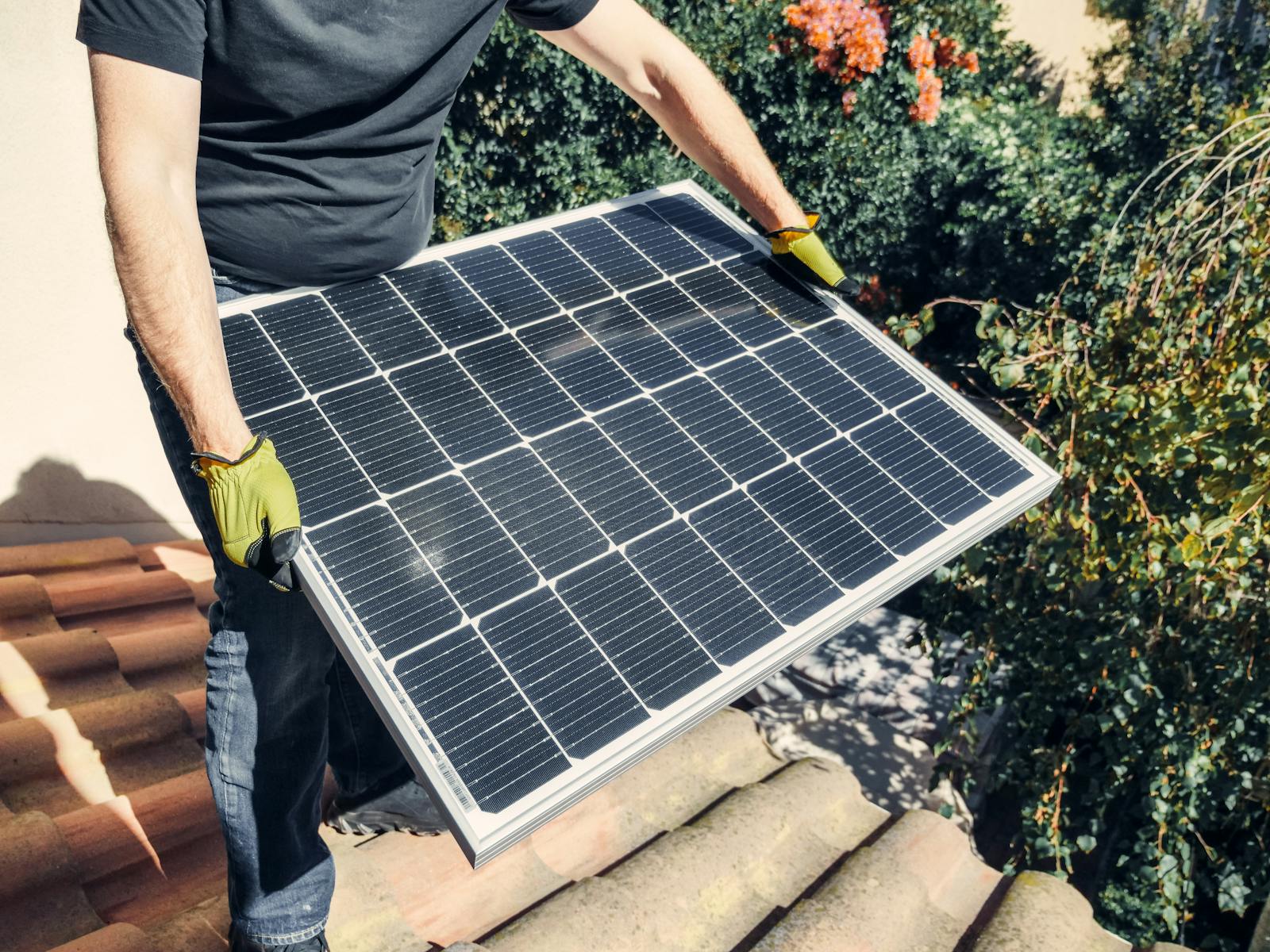
One of the most direct economic benefits of solar energy is the potential to lower household electricity bills. When panels generate electricity, the home can use that power instead of buying the same amount from the utility.
In evaluating the economic benefits of solar energy, homeowners should consider the long-term financial implications of their investment.
The amount saved varies from household to household. A home’s electricity use, roof orientation, shading, system size, local electricity prices and utility billing rules all influence the result. The U.S. Department of Energy recommends comparing expected system production with your household’s energy use and local electricity costs rather than relying on a single national savings estimate.
Solar production is not constant throughout the day or year. A home may still need to draw electricity from the grid at night, during cloudy periods or when household demand is higher than panel output. A utility’s net-metering or net-billing policy determines how exported electricity is credited, if at all.
2. Solar Can Help Protect Households From Some Electricity Price Increases
When a household generates part of its own electricity, it may become less exposed to changes in the price of electricity purchased from the utility. The solar system does not eliminate every energy charge, and utility rates and billing structures can change, but producing electricity at home can make a portion of future energy costs more predictable.
By harnessing the economic benefits of solar energy, homeowners can stabilize their energy costs over time.
This benefit is especially relevant when comparing the long-term cost of owning a solar system with continuing to buy all electricity from the grid. A homeowner should use realistic assumptions about future utility prices rather than assuming that electricity rates will rise by a fixed amount every year.
3. Solar Can Create Long-Term Electricity Savings
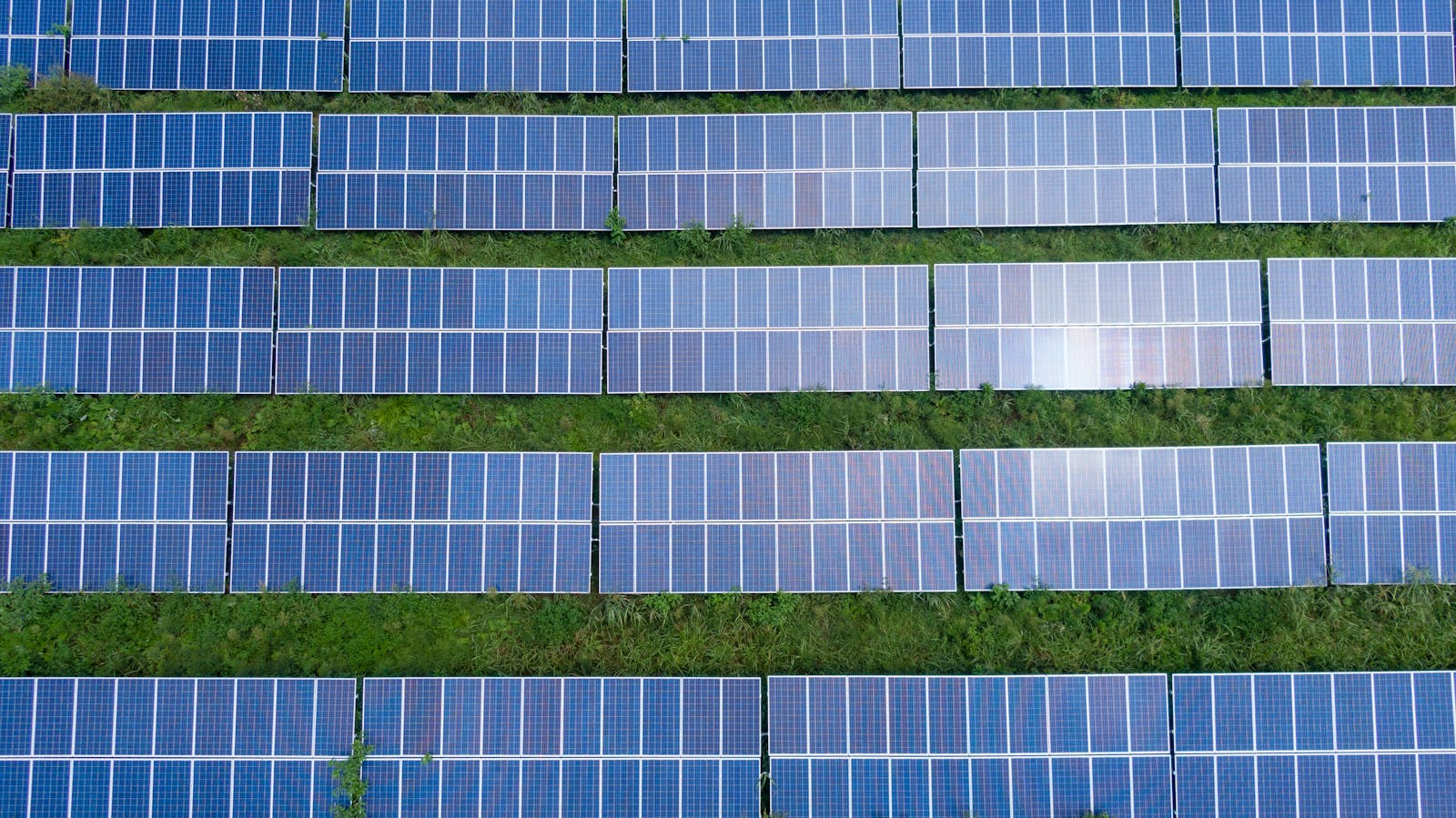
Solar panels require an upfront investment, but they can produce electricity for many years. Once the system has recovered its initial cost through bill savings and other applicable benefits, the electricity it generates may continue to provide financial value.
The economic benefits of solar energy can be substantial, especially when considering the longevity of the system.
To estimate the economics, homeowners can compare:
- The total installed price, including any financing costs.
- Expected annual electricity production.
- The portion of solar electricity used in the home.
- The value of electricity exported to the grid under the utility’s rules.
- Maintenance, inverter replacement and other expected ownership costs.
- Any applicable state, local or utility incentives.
A simple payback estimate divides the net upfront cost by the expected annual financial savings. This is a useful starting point, not a complete investment analysis: it does not by itself account for financing, changes in electricity prices, system degradation, equipment replacement or the time value of money.
4. Solar May Increase a Home’s Resale Appeal and Value

A home solar system can be a selling point, particularly for buyers who value lower electricity costs. Research published by Lawrence Berkeley National Laboratory found that buyers in the studied markets were willing to pay a premium for homes with owned solar photovoltaic systems.
Buyers are increasingly aware of the economic benefits of solar energy, making homes with solar systems more appealing.
That finding should not be interpreted as a guaranteed increase in every home’s value. The effect can vary by location, system size, age, condition, ownership structure and local buyer demand. A leased system or a system financed through a power purchase agreement can also require additional steps when a property is sold.
If you plan to sell your home, keep the system contract, installation records, warranties, permits and recent production information. Make it clear whether the panels are owned outright, financed, leased or covered by a power purchase agreement.
5. Solar Can Improve Energy Cost Planning
For homeowners who expect to stay in their property for many years, solar can make it easier to plan for a portion of future electricity costs. Instead of purchasing all electricity at whatever utility rates apply, the household generates some of its own power.
Planning for future energy costs is one of the key economic benefits of solar energy for homeowners.
Financing changes the calculation. A solar loan creates a monthly payment, and the household should compare that payment with realistic bill savings. A lease or power purchase agreement may have an agreed payment structure, but contract escalators, transfer conditions and fees should be reviewed carefully.
Ask for a written proposal that shows estimated production, assumptions about utility credits, total payments over the contract term and the expected impact on your electricity bill. Compare more than one quote before signing.
6. Solar Batteries Can Add Financial Flexibility, but They Also Add Cost
A battery can store some of the electricity generated during the day for use later, such as in the evening. Depending on the utility’s rate structure, this may help a household use more of its own solar power or reduce purchases during expensive time-of-use periods.
Homeowners should weigh the economic benefits of solar energy against the associated costs of battery systems.
However, a battery is an additional investment. Its financial value depends on the difference between electricity prices at different times, export-credit rules, battery cost, efficiency losses, warranty, expected lifespan and whether backup power is important to the homeowner.
For some households, the main reason to buy a battery is resilience during outages rather than the shortest possible financial payback. Compare the added cost with the specific benefits you expect to receive.
7. Solar Incentives Can Affect the Total Cost
State, local and utility programs may offer rebates, performance payments, property-tax provisions or other incentives. Availability and eligibility vary by location and can change, so homeowners should verify program details directly with the relevant government agency or utility before including an incentive in their calculations.
Understanding the various incentives can enhance the economic benefits of solar energy.
Important federal tax-credit update: The IRS states that the Residential Clean Energy Credit is not available for qualifying residential clean-energy property expenditures made after December 31, 2025. Homeowners should not assume that a new residential solar installation in 2026 qualifies for the former 30% federal residential credit. Different rules may apply to earlier qualifying installations, and tax situations can be individual. Check the current IRS guidance or consult a qualified tax professional.
Do not rely on an installer’s verbal promise that a tax credit or rebate will apply. Ask for the exact program name, eligibility conditions, deadline and official source.
8. Solar Can Support Local Jobs and Economic Activity
The solar industry supports work in areas such as manufacturing, installation, electrical contracting, engineering, sales, maintenance and project development. Residential installations also create business for local installers and related service providers.
The economic benefits of solar energy also extend to job creation in local communities.
The wider economic effects vary by region and by how much of the equipment and services are sourced locally. For an individual homeowner, this is a broader community benefit rather than a direct personal return on investment.
9. What Can Reduce the Economic Benefits of Solar?
Solar is not the right financial choice for every home. Several factors can reduce savings or extend the time needed to recover the installation cost:
-
- High installation costs: An expensive quote can make the payback period longer.
High installation costs can significantly impact the perceived economic benefits of solar energy.
- Roof shading or unsuitable orientation: Lower production means less electricity is offset.
- Low electricity prices: Each kilowatt-hour generated may replace relatively inexpensive grid electricity.
- Low export compensation: Sending unused electricity to the grid may provide limited bill credits.
- Financing costs: Interest, dealer fees and loan terms can materially affect total cost.
- Roof repairs or replacement: Necessary roof work can add to the project cost.
- Equipment and maintenance costs: Inverters and other components may need servicing or replacement during the system’s life.
- Moving sooner than expected: A sale can complicate the economics, especially if a contract must be transferred.
These factors are why a personalized quote and a careful comparison with your current utility bill are more useful than a generic promise of savings.
These considerations are crucial for understanding the full economic benefits of solar energy.
10. How to Evaluate Whether Solar Makes Financial Sense for Your Home
Before choosing a system, take these practical steps:
-
- Review at least 12 months of electricity bills to understand your usage and seasonal patterns.
- Check your utility’s rules for exported solar electricity, fixed charges and time-of-use rates.
- Request multiple itemized quotes from qualified installers.
- Compare cash purchase, loan, lease and power purchase agreement options where available.
Evaluating the economic benefits of solar energy involves careful analysis of various factors.
-
- Check roof condition, shading and expected system production.
- Verify state, local and utility incentives using official sources.
- Calculate the expected payback period and consider total costs over the period you expect to own the home.
- Read warranties and contracts carefully, including transfer, escalation and removal terms.
Assessing the economic benefits of solar energy requires a thorough understanding of your local market.
For a broader explanation of system components and electricity generation, read our guide to how solar power works. If you are comparing residential system options, see our guide to solar panels for homes.
Watch: Understanding the Financial Benefits of Home Solar
Use the video below to introduce the main financial considerations of residential solar. Before publishing, confirm that the selected video is still available and that its claims reflect current utility rules and incentives.
Incorporating solar energy into your home is a decision that can provide lasting economic benefits of solar energy.
Key Takeaways
-
- Solar panels can reduce electricity bills by allowing a household to use power generated on its roof.
- Long-term savings depend on system cost, production, utility rates, export credits and financing.
- Solar may improve a home’s resale appeal, but any increase in value is not guaranteed.
Understanding the economic benefits of solar energy can empower homeowners to make informed choices.
- Batteries can add flexibility and backup capability, but they also increase upfront cost.
- Federal residential clean-energy tax-credit rules changed for expenditures after December 31, 2025; verify current incentives before making a decision.
- Comparing itemized quotes and local utility rules is essential before investing.
Frequently Asked Questions
1. What are the main economic benefits of solar energy?
The main potential benefits include lower electricity bills, reduced exposure to some utility price increases, long-term electricity savings and possible improvements in home resale appeal. The value of each benefit depends on the property and local electricity rules.
2. Do solar panels really save homeowners money?
They can, but savings are not guaranteed. The system must generate enough valuable electricity to justify its installed and financing costs. Roof conditions, electricity prices, utility compensation rules and household usage all matter.
Homeowners can reap substantial economic benefits of solar energy if they understand their system’s value.
3. How long does it take for solar panels to pay for themselves?
There is no single payback period for every home. Estimate it by dividing the net system cost by realistic annual bill savings and other verified financial benefits. A more complete analysis should also account for financing, maintenance and equipment replacement.
4. Can solar panels increase the value of a home?
Research has found that owned solar systems can add value in some markets. The effect varies, and buyers may treat owned, leased and financed systems differently. No specific increase should be assumed for every property.
5. Will solar panels eliminate my electricity bill?
Not necessarily. A home may still pay fixed utility charges, buy electricity when solar production is low and incur charges under its utility’s billing structure. The system’s size and export-credit rules affect the final bill.
In many cases, the economic benefits of solar energy can offset the cost of ongoing utility charges.
6. Is buying solar panels better than leasing them?
Ownership can provide more direct access to the system’s long-term financial benefits, while a lease or power purchase agreement may reduce or avoid upfront costs. Compare total payments, escalators, maintenance responsibilities, contract transfers and expected savings before deciding.
7. Do solar batteries increase savings?
They can in some circumstances, especially where time-of-use rates or low export credits make stored electricity more valuable. But battery costs and efficiency losses mean a battery does not automatically improve the financial return of every solar system.
8. Is there still a federal solar tax credit in 2026?
The IRS states that the Residential Clean Energy Credit is not available for qualifying expenditures made after December 31, 2025. Check IRS guidance for the rules that apply to earlier installations and consult a tax professional about your circumstances.
With careful planning, the economic benefits of solar energy can translate into significant savings over time.
9. What costs should I include when calculating solar savings?
Include the installed system price, financing interest and fees, any battery cost, expected maintenance, possible inverter replacement, utility charges and the value of exported electricity. Also verify that any incentive used in the calculation is currently available to you.
10. Is solar worth it if I plan to move?
It depends on how soon you expect to move, the system’s ownership structure, the local housing market and whether a buyer can assume any remaining contract. Review transfer requirements and discuss the system with a real-estate professional before relying on a resale premium.
Considering the economic benefits of solar energy is essential for homeowners planning to sell their properties.
Related Resources
- Solar Panels for Homes: Benefits, Costs and Considerations
- How Solar Power Works
- DIY Home Solar Systems
- Environmental Benefits of Solar Energy
Sources and Further Reading
For homeowners, understanding the economic benefits of solar energy can lead to better investment choices.
Many resources are available to explore the economic benefits of solar energy further.