Solar Farms and Wildlife: Effects on Natural Habitats
Solar farms play an increasingly important role in the transition towards renewable electricity. By converting sunlight into power, large photovoltaic installations can help reduce reliance on fossil fuels. However, building a solar farm also requires land, and the location and design of a project can influence the plants, animals and ecosystems already living there.
When natural vegetation is cleared, soil is disturbed or wildlife corridors are blocked, solar development can create environmental pressures beyond the boundaries of the installation. Some species may lose feeding or breeding areas, while others may adapt to the new conditions or even benefit from carefully managed vegetation beneath and around solar panels.
So, how do solar farms affect natural habitats and wildlife? Are they always harmful to biodiversity, or can solar projects be designed to support nature as well as generate electricity?
This guide explores the relationship between solar farms, land use, wildlife and biodiversity, including the environmental risks and practical ways to make large-scale solar development more wildlife-friendly.
1. Why do solar farms require large areas of land?
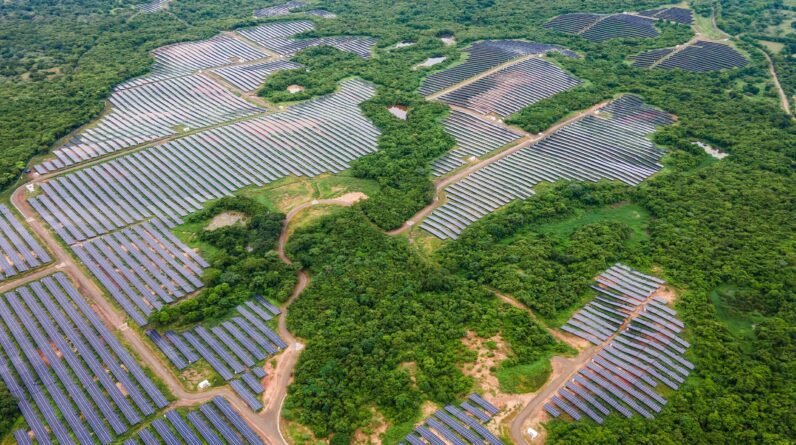
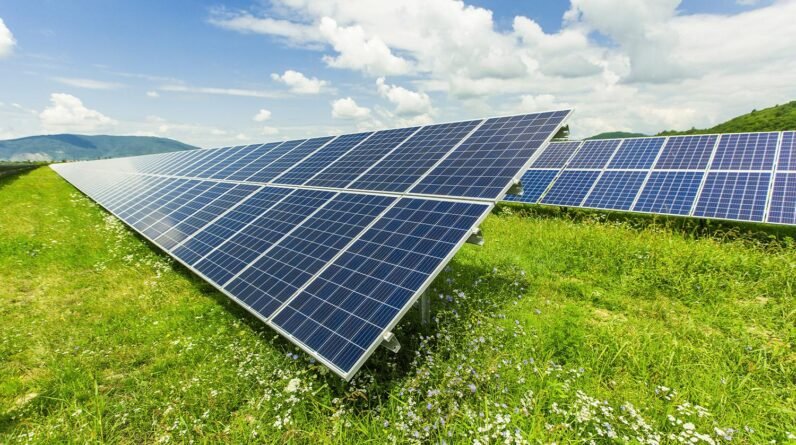
Unlike rooftop solar panels, which use the existing surface of a building, utility-scale solar farms are generally installed on open land. They contain rows of photovoltaic modules, mounting structures, electrical equipment, access routes and connections to the electricity grid.
The amount of land required depends on several factors, including:
- The planned electricity-generation capacity.
- The efficiency and type of solar panels.
- The spacing and orientation of panel rows.
- The site’s terrain and physical characteristics.
- Access roads, electrical infrastructure and safety requirements.
- Environmental restrictions and land-management practices.
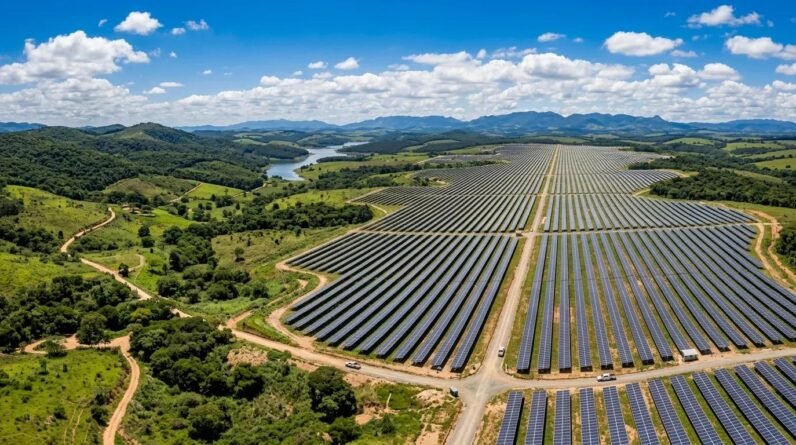
Large solar farms can occupy hundreds or even thousands of acres, depending on their size and configuration. The land is not necessarily all covered by panels, but construction and operation can still change how the site is used.
In the United States, solar development takes place on different types of land, including former agricultural areas, pasture, disturbed sites and some natural landscapes. The environmental implications depend heavily on what was present before development.
The U.S. Department of Energy explains that large-scale solar siting involves decisions about land suitability, wildlife impacts, environmental conditions, transmission access and the needs of local communities.
2. Habitat loss caused by solar farm development
One of the most important potential environmental effects of large solar farms is habitat loss.
When a project is developed on previously undisturbed land, vegetation may be cleared and the ground prepared for solar equipment. This can remove or reduce the natural habitats used by plants, insects, birds, reptiles and mammals.
Habitat loss can affect wildlife by reducing the availability of:
- Food and natural vegetation.
- Nesting and breeding locations.
- Shelter from predators and extreme weather.
- Water sources and suitable foraging areas.
- Connected areas needed for seasonal movement.
The severity of the impact depends on the ecosystem and the condition of the land before construction.
For example, developing a solar farm on a previously disturbed industrial site may have a different ecological effect from clearing a natural desert, grassland or woodland that supports specialised wildlife.
The U.S. Fish and Wildlife Service highlights the risks associated with developing large-scale solar facilities on previously undisturbed and biologically fragile land.
3. Habitat fragmentation and wildlife movement
Habitat fragmentation occurs when a large, connected natural area is divided into smaller sections. Solar development can contribute to fragmentation through panel installations, perimeter fencing, access roads and associated infrastructure.
This can make it harder for certain animals to move between feeding areas, breeding sites and seasonal habitats.
Potential consequences include:
- Reduced access to food and water.
- Disrupted migration or seasonal movement routes.
- Smaller and more isolated wildlife populations.
- Greater difficulty finding mates or suitable breeding areas.
- Increased exposure to roads, vehicles and other disturbances.
Fencing is an important consideration. It may be required for security and safety, but poorly designed barriers can prevent some animals from moving through the wider landscape.
Wildlife-friendly planning can include suitable fence designs, movement corridors and connected areas of natural vegetation. The most appropriate approach depends on the species living in the region.
4. How solar farms can affect different wildlife species
Not all animals respond to solar development in the same way. Some species may avoid construction areas, while others may use the vegetation or modified habitats that develop after installation.
Mammals
Large and small mammals may be affected by habitat clearance, construction activity, fencing and changes to access routes. Species that rely on extensive, connected landscapes may be particularly sensitive to fragmentation.
Wildlife-friendly fencing and connected habitat areas can help maintain movement opportunities where appropriate.
Birds
Birds may be affected by changes to nesting and feeding habitat, construction disturbance and the presence of new infrastructure.
Some research has also investigated whether reflected light from solar panels can attract certain birds. In particular, polarised light reflections may be perceived by some water-associated species as water surfaces. The significance of this effect varies by species and site.
Solar facilities should therefore consider local bird populations, migration routes and habitat requirements during planning and monitoring.
Reptiles
Reptiles in dry and desert environments can be vulnerable to land disturbance, vegetation removal and changes to soil conditions. Construction traffic and ground preparation may also affect animals that live in or move through the site.
The Mojave Desert, for example, supports species of conservation concern that can be affected by large-scale development. The U.S. Fish and Wildlife Service has highlighted the desert tortoise and other wildlife in its wildlife-friendly solar work.
Insects and pollinators
Insects and pollinators may lose habitat when vegetation is removed. However, solar farms can also provide opportunities to establish flowering plants and other suitable vegetation beneath and around panels.
Where locally appropriate native plants are used and maintained, these areas may support pollinators and contribute to habitat resources.
5. Soil disturbance, vegetation removal and drainage changes
Solar farm construction can involve more than placing panels on existing ground. Depending on the site and construction method, vegetation may be cleared, soil graded, foundations installed and access routes created.
These activities can change the physical characteristics of the land.
Potential effects include:
- Soil compaction: Heavy construction equipment can compress soil and affect its structure.
- Erosion: Removing vegetation can leave soil more exposed to wind and rainfall.
- Altered drainage: Grading and infrastructure can change how water moves across a site.
- Vegetation changes: Clearing and maintenance practices can affect which plant species grow.
- Microclimate changes: Solar panels create shade and redistribute rainfall, influencing temperature and soil moisture beneath and around the arrays.
These changes can affect the plants and animals that depend on particular soil and vegetation conditions.
However, the impact is not necessarily the same at every project. Low-impact construction methods that retain existing vegetation and natural topography may reduce disturbance compared with extensive clearing and grading.
6. Can solar farms harm wildlife in desert ecosystems?
Desert regions are attractive locations for solar development because they often receive strong sunlight and have large areas of open land. However, deserts are not empty or biologically unimportant landscapes.
They support plants and animals adapted to specific soil conditions, rainfall patterns, temperatures and natural vegetation communities.
Large-scale solar construction in desert environments can create challenges such as:
- Removal or disturbance of native desert vegetation.
- Changes to soil surfaces and natural drainage.
- Fragmentation of wildlife habitat.
- Disturbance to species with limited suitable habitat.
- Changes to shade, temperature and moisture conditions beneath solar panels.
The U.S. Geological Survey has examined how utility-scale solar development may affect plants and wildlife in the Desert Southwest, including the Mojave, Sonoran, Chihuahuan and San Joaquin desert regions.
Its research emphasises that ecological effects depend on the characteristics of the species, the type of disturbance and the sensitivity of the surrounding environment.
This is why site-specific ecological surveys are particularly important before developing solar projects in sensitive desert landscapes.
7. Can solar farms actually support biodiversity?
Although solar development can create environmental risks, a well-designed solar farm may also provide opportunities for habitat management and biodiversity improvements.
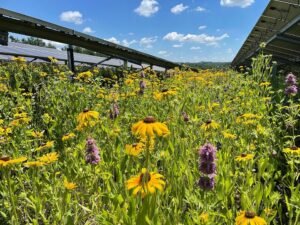
One approach is to establish suitable native vegetation beneath and around solar panels instead of maintaining the entire site as bare or frequently disturbed ground.
Depending on the location and management plan, this vegetation may provide:
- Food sources for pollinators.
- Habitat for insects and other small wildlife.
- Vegetation cover and shelter.
- Improved soil protection.
- Opportunities for more diverse plant communities.
Research led by the National Renewable Energy Laboratory has investigated how vegetation, pollinators, soil and solar electricity production interact at working solar farms in Minnesota.
This research explores how habitat can be incorporated into solar sites rather than treating biodiversity and electricity generation as completely separate land uses.
However, biodiversity benefits are not automatic. They depend on the original site, plant selection, construction practices, vegetation management and the wildlife species being considered.
8. Wildlife-friendly solar farms: How project design can reduce impacts
Solar projects can be designed to reduce their effects on wildlife and natural habitats. The most effective measures depend on local ecological conditions and should be considered before construction begins.
Choose lower-impact locations
Developers can prioritise suitable rooftops, parking areas, brownfields, previously disturbed land and other sites with lower ecological sensitivity.
Avoiding important habitats and wildlife corridors can prevent some impacts rather than attempting to repair them after construction.
Conduct ecological surveys before development
Surveys can identify protected species, important habitats, seasonal movement routes and sensitive vegetation communities. They help developers understand the site’s ecological value before deciding where and how to build.
Retain existing vegetation where possible
Minimising vegetation clearance and retaining suitable native plants can help maintain habitat and reduce soil disturbance.
Use wildlife-friendly fencing
Fence designs can be adapted to local wildlife requirements. Where appropriate, they can allow smaller animals to pass while still providing the necessary security for the installation.
Establish native and pollinator-friendly vegetation
Locally adapted plants can provide habitat and food resources for pollinators and other wildlife. Vegetation plans should also consider maintenance, drought tolerance and the ecological conditions beneath solar panels.
Monitor wildlife after construction
Environmental management should continue after a solar farm becomes operational. Monitoring can identify unexpected impacts and help operators adjust vegetation management, fencing and other site practices.
9. Agrivoltaics: Combining solar energy with agriculture
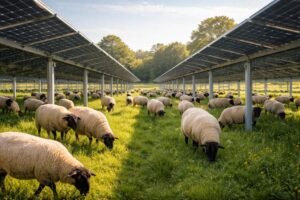
Agrivoltaics, also known as dual-use solar, combines solar electricity generation with agricultural activities on the same land.
Depending on the project, this may involve:
- Growing suitable crops beneath or between solar panels.
- Allowing livestock to graze in designated areas.
- Maintaining pollinator-friendly vegetation.
- Combining agricultural production with renewable electricity generation.
Agrivoltaics can help make more productive use of land and may reduce some conflicts between energy production and agriculture.
However, it is not suitable for every site or farming system. Panel height, spacing, crop requirements, livestock management, soil conditions and local climate all influence whether dual-use development is practical.
The U.S. Department of Energy identifies crop production, livestock grazing and pollinator habitat as possible forms of agrivoltaics.
It is important to recognise that agrivoltaics is not automatically a biodiversity solution. Its ecological benefits depend on how the land is managed and whether the selected practices support local species and habitats.
10. What happens when solar farms are built on agricultural land?
Solar farms can also affect land that was previously used for agriculture, including cropland and pasture.
The U.S. Department of Agriculture’s Economic Research Service examined land-cover changes associated with utility-scale solar and wind development between 2009 and 2020.
Its 2024 report found that approximately 70% of solar farms in rural areas were located on agricultural land during the period studied. It also identified regional differences and changes in agricultural land cover around some solar sites.
This does not mean that every solar project permanently removes farmland from agricultural use. Some projects may allow grazing, pollinator habitat or other compatible land-management practices.
However, the potential effects on food production, rural land use and local ecosystems should be considered during project planning.
Choosing appropriate sites and exploring dual-use approaches can help reduce unnecessary conflicts between solar development, agriculture and conservation.
11. How to balance renewable energy development with wildlife conservation
Solar electricity can help reduce greenhouse gas emissions from the power sector, but the transition to renewable energy should also consider the natural environments affected by new infrastructure.
A balanced approach involves several important principles:
- Prioritise sites with lower ecological sensitivity.
- Protect important wildlife habitats and movement corridors.
- Minimise vegetation removal and soil disturbance.
- Use native plants and suitable vegetation management plans.
- Consider agricultural and pollinator-friendly dual-use options.
- Monitor wildlife and habitat conditions throughout the project’s life.
- Plan for site restoration and decommissioning.
The objective is not simply to install as many solar panels as possible. It is to develop renewable energy infrastructure in locations and ways that minimise avoidable environmental harm.
12. Are solar farms bad for wildlife and natural habitats?
Solar farms are not automatically harmful to wildlife, but their environmental effects should not be ignored.
Projects developed on sensitive or previously undisturbed land can cause habitat loss, fragmentation, vegetation removal and disturbance to wildlife. These risks can be particularly important in ecosystems that support specialised or threatened species.
At the same time, suitable locations, careful construction methods and native vegetation management can reduce some impacts. Certain solar farms can also provide opportunities for pollinator habitat and other forms of biodiversity support.
The most important factor is how and where the project is developed. A rooftop solar system, a solar farm on previously disturbed land and a large installation in a sensitive natural habitat should not be treated as environmentally equivalent.
Solar energy can contribute to a lower-emissions electricity system while supporting nature conservation, but achieving both goals requires careful planning, local ecological knowledge and ongoing environmental management.
Frequently Asked Questions
Do solar farms destroy natural habitats?
They can affect natural habitats, particularly when previously undisturbed land is cleared for development. The impact depends on the site’s ecological condition, construction methods, project size and habitat-management practices.
How do solar farms affect wildlife?
Solar farms can affect wildlife through habitat loss, fragmentation, construction disturbance, fencing, changes to vegetation and altered soil or drainage conditions. Some species may avoid developed areas, while others may use suitable vegetation within and around the installation.
Do solar farms harm birds?
Potential effects include habitat disturbance, changes to feeding and nesting areas and interactions with infrastructure. Research has also examined attraction to polarised light reflected from panels in certain bird species. Effects vary by species, technology and location.
Can animals live under solar panels?
Some animals can use vegetation and habitat beneath and around solar panels, depending on the design and management of the site. Shade, temperature, soil moisture, vegetation and maintenance practices influence which species can live there.
Do solar farms affect desert ecosystems?
Yes. Large-scale development in deserts can disturb native vegetation, soil surfaces and wildlife habitats. Some desert species are particularly sensitive to changes in land conditions, so careful site selection and low-impact construction are important.
Can solar farms help pollinators?
They can provide suitable habitat when locally adapted flowering plants are established and maintained. Pollinator-friendly solar sites can offer food resources, but benefits depend on plant selection, management and local ecological conditions.
What is wildlife-friendly solar?
Wildlife-friendly solar refers to project planning and management practices designed to reduce harm to animals and habitats. Examples include suitable site selection, wildlife-friendly fencing, native vegetation, habitat corridors and ongoing monitoring.
What is agrivoltaics?
Agrivoltaics combines solar electricity generation with agricultural activities on the same land. Examples include growing crops, grazing livestock or maintaining pollinator habitat beneath or between solar panels.
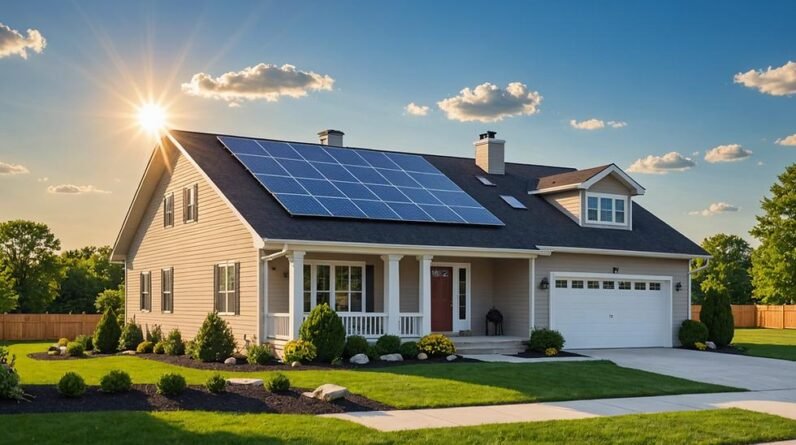
Are rooftop solar panels better for wildlife than solar farms?
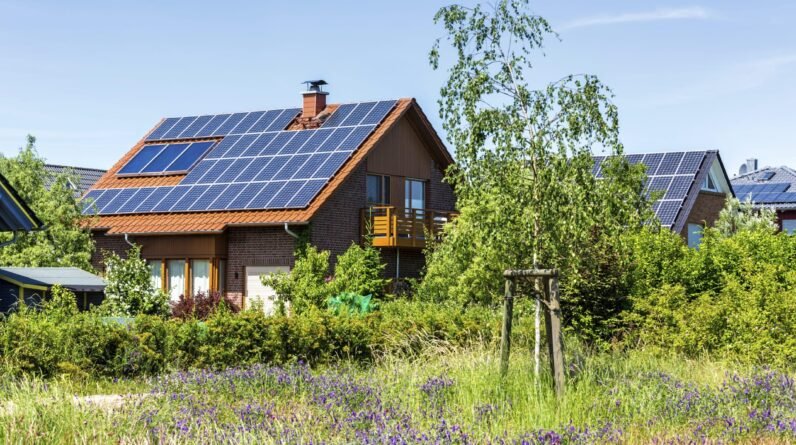
Rooftop solar panels generally use existing building surfaces and do not require converting additional natural land for the installation. They can therefore avoid many land-development impacts associated with large ground-mounted projects. However, the complete environmental footprint still includes manufacturing and other lifecycle impacts.
How can solar farms reduce their impact on biodiversity?
They can prioritise lower-impact sites, conduct ecological surveys, retain native vegetation, protect wildlife corridors, use suitable fencing, establish pollinator habitat and monitor biodiversity during operation.
Key Takeaways
- Utility-scale solar farms require land and can change how that land is used.
- Developing projects on sensitive or undisturbed land can cause habitat loss and fragmentation.
- Wildlife may be affected by vegetation removal, construction activity, fencing and changes to soil and drainage.
- Impacts vary between ecosystems and species, so local ecological assessments are important.
- Native vegetation and pollinator-friendly management can create biodiversity opportunities at some solar sites.
- Agrivoltaics can combine electricity generation with selected agricultural activities.
- Careful site selection, low-impact construction and ongoing monitoring can help balance renewable energy development with wildlife conservation.
Related Resources
- Environmental Benefits and Drawbacks of Solar Energy
- Negative Environmental Effects of Solar Energy
- Environmental Impact of Solar Energy: From Manufacturing to Recycling
- Hidden Environmental Costs of Solar Energy
- Mining Materials for Solar Panels: Environmental Effects
- Environmental Benefits of Solar Energy
Further Reading and Sources
- National Park Service – Solar Energy: Technology-Specific Impacts
- U.S. Geological Survey – Predicting the Effects of Solar Energy Development on Plants and Wildlife in the Desert Southwest
- U.S. Fish and Wildlife Service – Wildlife-Friendly Solar Energy
- National Renewable Energy Laboratory – Utility-Scale Solar Fields Can Foster Abundant Biodiversity
- USDA Natural Resources Conservation Service – Conservation Guidance for Utility-Scale Solar Projects
- USDA Economic Research Service – Utility-Scale Solar and Wind Development in Rural Areas: Land Cover Change (2009–20)
- U.S. Department of Energy – Agrivoltaics: Solar and Agriculture Co-Location
- U.S. Department of Energy – Large-Scale Solar Siting Research